Business License

Left-Inlet Right-Outlet vs Bottom-Inlet Top-Outlet Steam Traps: What's the Difference?
Steam traps play a critical role in steam systems by automatically discharging condensate while preventing the loss of valuable live steam. When selecting a steam trap, many engineers and purchasing managers focus on pressure, temperature, and trap type. However, the flow direction and installation orientation are equally important.
One of the most common questions is:
What is the difference between a Left-Inlet Right-Outlet steam trap and a Bottom-Inlet Top-Outlet steam trap?
This article explains the key differences, advantages, and applications of these two installation configurations.
What Is a Left-Inlet Right-Outlet Steam Trap?
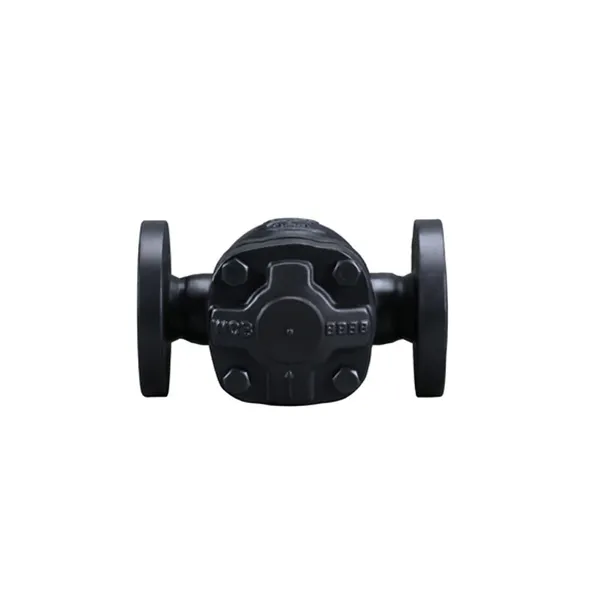
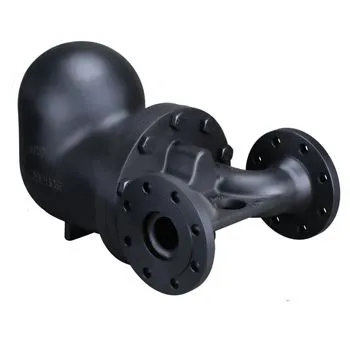
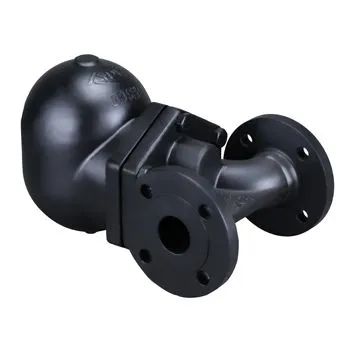
A Left-Inlet Right-Outlet steam trap is designed for horizontal pipeline installation. Condensate enters the trap from one side and exits through the opposite side.
Advantages
Easy installation in horizontal pipelines
Low pressure loss
Large condensate discharge capacity
Simple maintenance and inspection
Suitable for most industrial steam systems
Common Steam Trap Types
Ball Float Steam Trap
Free Float Steam Trap
Thermodynamic Disc Steam Trap
Thermostatic Steam Trap
Bimetallic Steam Trap
Typical Applications
Heat exchangers
Steam tracing systems
Dryers
Food processing equipment
Chemical plants
Textile factories
Because of its versatility, the horizontal configuration is the most widely used steam trap installation method in industrial facilities.
What Is a Bottom-Inlet Top-Outlet Steam Trap?
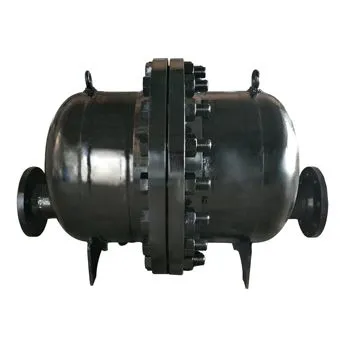
A Bottom-Inlet Top-Outlet steam trap is designed for vertical installation. Condensate enters through the bottom connection and leaves through the upper outlet.
This design often relies on gravity and liquid level differences to assist condensate removal.
Advantages
Saves horizontal installation space
Ideal for vertical piping systems
Suitable for condensate collection points
Effective in certain high-pressure applications
Common Steam Trap Types
Inverted Bucket Steam Trap
Vertical Float Steam Trap
Specialized Thermostatic Steam Trap
Typical Applications
Boiler rooms
Steam mains drainage points
Vertical risers
Limited-space installations
Condensate recovery systems
Key Differences Between the Two Designs
| Feature | Left-Inlet Right-Outlet | Bottom-Inlet Top-Outlet |
|---|---|---|
| Installation Position | Horizontal | Vertical |
| Pipeline Direction | Horizontal piping | Vertical piping |
| Maintenance | Easier | Moderate |
| Discharge Capacity | Generally higher | Generally lower |
| Pressure Drop | Lower | Slightly higher |
| Space Requirement | More horizontal space | Less horizontal space |
| Typical Applications | Heat exchangers, process equipment | Steam mains, vertical lines |
Which Configuration Should You Choose?
Choose Left-Inlet Right-Outlet If:
Your steam line is horizontal.
You need continuous condensate removal.
High condensate load is expected.
The equipment requires maximum heat transfer efficiency.
For heat exchangers and process equipment, a Ball Float Steam Trap is usually the preferred solution.
Choose Bottom-Inlet Top-Outlet If:
Your pipeline runs vertically.
Installation space is limited.
The trap is located at a condensate collection point.
An Inverted Bucket Steam Trap is required.
Important Considerations Before Purchasing
Before ordering a steam trap, confirm the following information with your supplier:
Steam pressure
Working temperature
Condensate load
Connection type (Threaded, Flanged, Welded)
Installation orientation
Pipeline direction
Providing these details helps ensure proper steam trap selection and prevents installation problems.
Conclusion
The difference between Left-Inlet Right-Outlet and Bottom-Inlet Top-Outlet steam traps is not merely the connection position. It directly affects installation, drainage performance, maintenance requirements, and overall system efficiency.
For most industrial applications, the Left-Inlet Right-Outlet configuration is the preferred choice due to its higher capacity and easier installation. However, Bottom-Inlet Top-Outlet steam traps remain an excellent solution for vertical piping systems and space-restricted environments.
Selecting the correct steam trap orientation can significantly improve condensate removal efficiency, reduce steam losses, and extend the service life of your steam system.
Recently Posted
-
How to Choose the Right Steam Trap for Your Application
July 31, 2026IntroductionChoosing the correct steam trap is one of the most important decisions in designing or maintaining an efficient steam Read More
 -
Why Do Customers Still Buy Chinese Steam Traps?
July 31, 2026In today's global industrial market, buyers have access to some of the world's most recognized steam trap brands, includin Read More
 -
High-Quality Steam Traps from Qiaofa Machinery – Efficient and Durable Solutions
July 31, 2026Introduction to Steam Traps and Their ImportanceSteam traps are essential components in any steam system, serving the critical fun Read More
 -
Steam Trap Material Selection Guide: How to Choose the Right Material for Your Steam System
July 29, 2026IntroductionChoosing the correct steam trap material is just as important as selecting the right steam trap type. A steam trap ins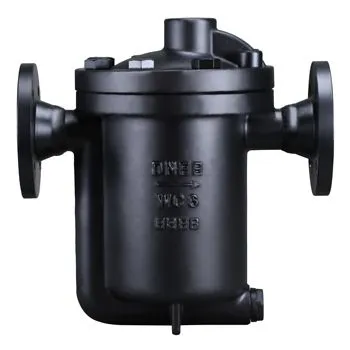 Read More

Contact Us
Recommended Products
-
 Capsule-Type Steam Trap Forged SteelNegotiableMOQ: 1 Piece
 -
OEM Thermostatic Bellows Steam TrapNegotiableMOQ: 1 Piece
-
Bellows Steam Trap Manufacturer | Industrial Thermostatic Steam Traps SupplierNegotiableMOQ: 1 Piece
-
Industrial Thermostatic Steam Trap With Stainless Steel Bellows – ManufacturerNegotiableMOQ: 1 Piece
-
Thermostatic Bellows Steam Trap | Stainless Steel for Steam Tracing SystemsNegotiableMOQ: 1 Piece
-
TD42 Thermodynamic Disc Steam Trap for RefineryNegotiableMOQ: 1 Piece
-
PN16–PN63 Disc Type Steam Trap | Threaded, Flanged & Socket Weld ConnectionsNegotiableMOQ: 1 Piece
-
TD42 Disc Type Steam Trap – Thermodynamic Steam Trap Manufacturer & Supplier in ChinaNegotiableMOQ: 1 Piece
-
TD42 Thermodynamic Disc Steam Trap for RefineryNegotiableMOQ: 1 Piece
-
Lever Float Steam Trap Manufacturer in China | High Efficiency Steam TrapNegotiableMOQ: 1 Piece
-
Lever Float Steam Trap for Steam Heating SystemsNegotiableMOQ: 1 Piece
-
Stainless Steel Lever Float Steam Trap With Thermostatic Air VentNegotiableMOQ: 1 Piece
-
Industrial Lever Float Steam Trap for Heat ExchangersNegotiableMOQ: 1 Piece
-
PN16 PN25 PN40 Lever Float Steam Trap SupplierNegotiableMOQ: 1 Piece
-
Heavy Duty Lever Float Steam Trap for Process Steam ApplicationsNegotiableMOQ: 1 Piece
-
Lever Float Steam Trap With Continuous Condensate DischargeNegotiableMOQ: 1 Piece
-
OEM Lever Float Steam Trap Factory With 45+ Years ExperienceNegotiableMOQ: 1 Piece
-
OEM Lever Float Steam Trap Factory With 45+ Years ExperienceNegotiableMOQ: 1 Piece
-
Flanged and Threaded Lever Float Steam Trap for Industrial BoilersNegotiableMOQ: 1 Piece
-
High Capacity Lever Float Steam Trap for Marine and Industrial ApplicationsNegotiableMOQ: 1 Piece