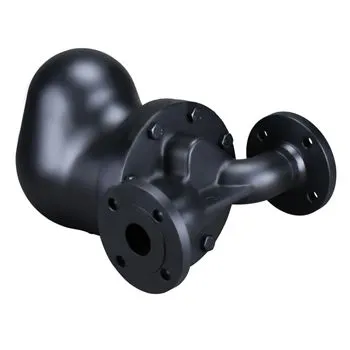
Business License

What Types of Steam Traps Are Commonly Used in Oil Refineries?
Steam is one of the most important utilities in oil refineries. It is used for process heating, steam tracing, tank heating, heat exchangers, reboilers, and various production processes. To ensure efficient steam utilization and prevent energy loss, steam traps play a critical role in refinery steam systems.
Choosing the right steam trap for each application can improve heat transfer efficiency, reduce maintenance costs, and enhance plant reliability. In this article, we will explore the most commonly used steam traps in oil refineries and their typical applications.
Why Are Steam Traps Important in Refineries?
Oil refineries operate large and complex steam networks. During steam transportation and heat exchange, condensate is continuously generated. If condensate is not removed efficiently, it can cause:
Reduced heat transfer efficiency
Water hammer damage
Corrosion of pipelines and equipment
Increased fuel consumption
Production interruptions
Steam traps automatically discharge condensate while preventing the loss of live steam, making them essential components in refinery operations.
1. Thermodynamic Steam Traps
Typical Applications
Steam tracing systems
Tank heating lines
Long-distance steam pipelines
Utility steam distribution systems
Thermodynamic steam traps are among the most widely used steam traps in refineries due to their simple construction and excellent durability.
Advantages
Compact and lightweight design
Resistant to water hammer
Suitable for high-pressure applications
Easy maintenance
Long service life
Since oil refineries often contain thousands of steam tracing points, thermodynamic disc steam traps are frequently the preferred choice for tracing applications.
Common Models
TD42 Thermodynamic Steam Trap
TD52 Thermodynamic Steam Trap
TD62 Thermodynamic Steam Trap
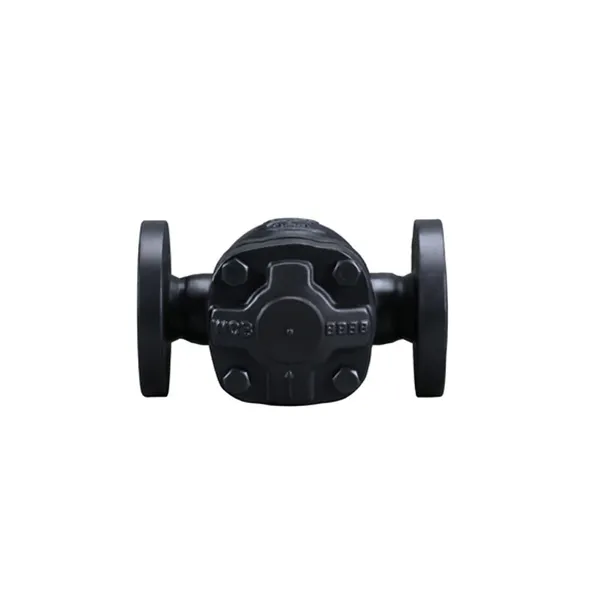
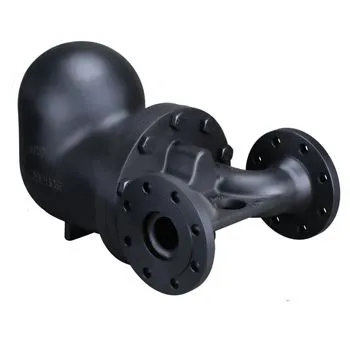
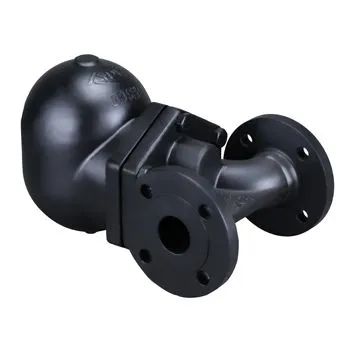
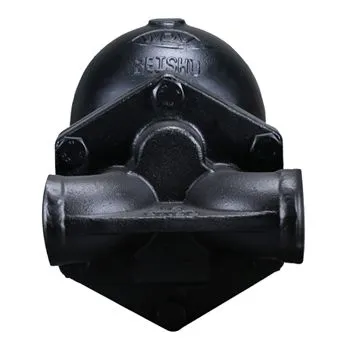
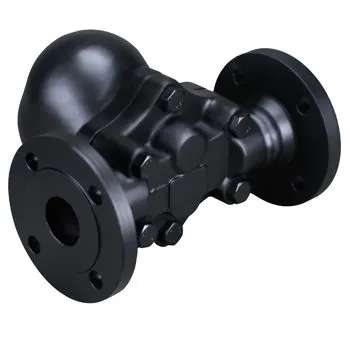
2. Float Steam Traps
Typical Applications
Heat exchangers
Reboilers
Process heaters
Steam coils
Float steam traps provide continuous condensate discharge, making them ideal for process equipment where stable heat transfer is required.
Advantages
Continuous drainage
Excellent heat transfer efficiency
Large condensate handling capacity
Immediate response to load changes
In refinery process units, float steam traps are commonly installed on shell-and-tube heat exchangers and reboilers to maximize thermal performance.
3. Inverted Bucket Steam Traps
Typical Applications
High-pressure steam systems
Process equipment
Critical steam services
The inverted bucket steam trap is well known for its robust design and long operational life.
Advantages
Durable internal mechanism
Excellent resistance to dirt and wear
Suitable for high-pressure conditions
Long maintenance intervals
Many North American refineries continue to use inverted bucket steam traps for demanding industrial applications.
4. Bimetallic Steam Traps
Typical Applications
Superheated steam systems
High-temperature steam tracing
Outdoor steam distribution lines
Bimetallic steam traps use temperature-sensitive elements to control condensate discharge.
Advantages
Energy-saving operation
Suitable for superheated steam
Excellent performance in harsh environments
Reduced steam loss
These steam traps are often selected for refinery applications involving high-temperature and superheated steam.
Steam Trap Selection by Refinery Application
| Refinery Application | Recommended Steam Trap Type |
|---|---|
| Steam Tracing | Thermodynamic Steam Trap |
| Tank Heating | Thermodynamic Steam Trap |
| Steam Distribution Lines | Thermodynamic Steam Trap |
| Heat Exchangers | Float Steam Trap |
| Reboilers | Float Steam Trap |
| Process Heating Equipment | Float Steam Trap |
| High-Pressure Systems | Inverted Bucket Steam Trap |
| Superheated Steam Systems | Bimetallic Steam Trap |
Which Steam Trap Is Used Most Frequently in Oil Refineries?
From a quantity perspective, thermodynamic steam traps are typically the most common steam traps found in oil refineries. This is because steam tracing systems are extensively used to maintain the temperature of pipelines, valves, pumps, and storage tanks.
A large refinery may have thousands of steam tracing points, each requiring a reliable steam trap. Therefore, thermodynamic disc steam traps often account for the largest share of refinery steam trap installations.
Conclusion
Oil refineries rely on different types of steam traps for different applications. Thermodynamic steam traps dominate steam tracing systems, float steam traps are preferred for heat exchangers and reboilers, inverted bucket steam traps are suitable for high-pressure services, and bimetallic steam traps perform well in superheated steam systems.
Selecting the correct steam trap can significantly improve energy efficiency, reduce maintenance costs, and enhance the overall reliability of refinery operations.
If you are looking for high-quality thermodynamic, float, bimetallic, or inverted bucket steam traps for refinery applications, choosing a reliable manufacturer with proven industrial experience is essential for long-term performance and safety.
Recently Posted
-
How to Choose the Right Steam Trap for Your Application
July 31, 2026IntroductionChoosing the correct steam trap is one of the most important decisions in designing or maintaining an efficient steam Read More
 -
Why Do Customers Still Buy Chinese Steam Traps?
July 31, 2026In today's global industrial market, buyers have access to some of the world's most recognized steam trap brands, includin Read More
 -
High-Quality Steam Traps from Qiaofa Machinery – Efficient and Durable Solutions
July 31, 2026Introduction to Steam Traps and Their ImportanceSteam traps are essential components in any steam system, serving the critical fun Read More
 -
Steam Trap Material Selection Guide: How to Choose the Right Material for Your Steam System
July 29, 2026IntroductionChoosing the correct steam trap material is just as important as selecting the right steam trap type. A steam trap ins Read More

Contact Us
Recommended Products
-
 Capsule-Type Steam Trap Forged SteelNegotiableMOQ: 1 Piece
 -
OEM Thermostatic Bellows Steam TrapNegotiableMOQ: 1 Piece
-
Bellows Steam Trap Manufacturer | Industrial Thermostatic Steam Traps SupplierNegotiableMOQ: 1 Piece
-
Industrial Thermostatic Steam Trap With Stainless Steel Bellows – ManufacturerNegotiableMOQ: 1 Piece
-
Thermostatic Bellows Steam Trap | Stainless Steel for Steam Tracing SystemsNegotiableMOQ: 1 Piece
-
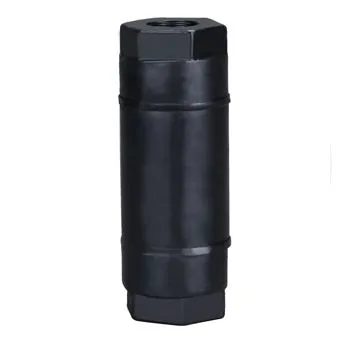
TD42 Thermodynamic Disc Steam Trap for RefineryNegotiableMOQ: 1 Piece
-
PN16–PN63 Disc Type Steam Trap | Threaded, Flanged & Socket Weld ConnectionsNegotiableMOQ: 1 Piece
-
TD42 Disc Type Steam Trap – Thermodynamic Steam Trap Manufacturer & Supplier in ChinaNegotiableMOQ: 1 Piece
-
TD42 Thermodynamic Disc Steam Trap for RefineryNegotiableMOQ: 1 Piece
-
Lever Float Steam Trap Manufacturer in China | High Efficiency Steam TrapNegotiableMOQ: 1 Piece
-
Lever Float Steam Trap for Steam Heating SystemsNegotiableMOQ: 1 Piece
-
Stainless Steel Lever Float Steam Trap With Thermostatic Air VentNegotiableMOQ: 1 Piece
-
Industrial Lever Float Steam Trap for Heat ExchangersNegotiableMOQ: 1 Piece
-
PN16 PN25 PN40 Lever Float Steam Trap SupplierNegotiableMOQ: 1 Piece
-
Heavy Duty Lever Float Steam Trap for Process Steam ApplicationsNegotiableMOQ: 1 Piece
-
Lever Float Steam Trap With Continuous Condensate DischargeNegotiableMOQ: 1 Piece
-
OEM Lever Float Steam Trap Factory With 45+ Years ExperienceNegotiableMOQ: 1 Piece
-
OEM Lever Float Steam Trap Factory With 45+ Years ExperienceNegotiableMOQ: 1 Piece
-
Flanged and Threaded Lever Float Steam Trap for Industrial BoilersNegotiableMOQ: 1 Piece
-
High Capacity Lever Float Steam Trap for Marine and Industrial ApplicationsNegotiableMOQ: 1 Piece