Business License

How to Choose the Right Steam Trap for Your Application
Introduction
Choosing the correct steam trap is one of the most important decisions in designing or maintaining an efficient steam system. Different applications require different trap technologies, and selecting the wrong type may result in energy loss, poor heating performance, equipment damage, and costly maintenance.
This guide explains the key factors to consider when selecting a steam trap.
Step 1 – Understand Your Application
The first question is:
Where will the steam trap be installed?
Typical applications include:
Steam mains
Heat exchangers
Steam tracing
Unit heaters
Process equipment
Dryers
Reactors
Jacketed vessels
Each application has different condensate loads and operating characteristics.
Step 2 – Determine Steam Pressure
Steam pressure greatly influences steam trap performance.
You should know:
Inlet pressure
Outlet pressure
Differential pressure
Some traps operate efficiently over a wide pressure range, while others are designed for specific operating conditions.
Step 3 – Calculate Condensate Load
The condensate load determines the required trap capacity.
When calculating capacity, engineers should consider:
Maximum startup load
Normal operating load
Safety factor (typically 2–3 times the normal condensate load)
Proper sizing prevents flooding and unnecessary steam loss.
Step 4 – Choose the Right Steam Trap Type
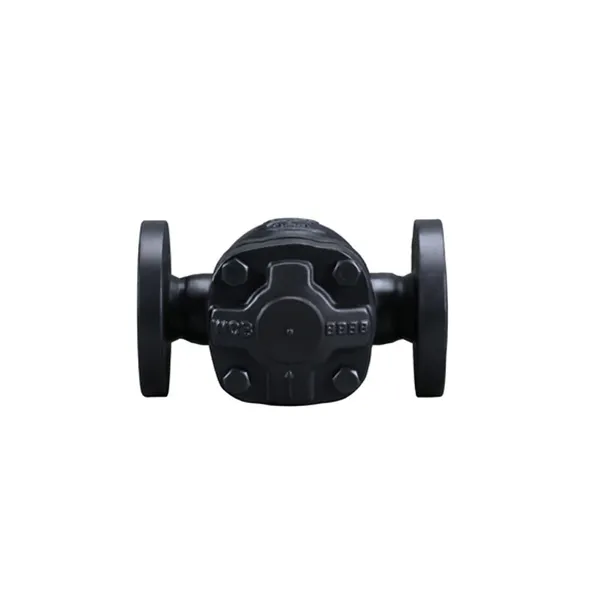
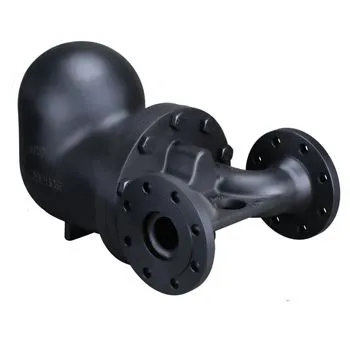
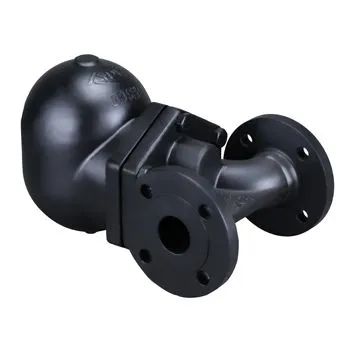
Float & Thermostatic Steam Trap
Recommended for:
Heat exchangers
Heating coils
Process equipment
Features:
Continuous discharge
Excellent air removal
High efficiency
Thermodynamic Disc Steam Trap
Recommended for:
Steam distribution lines
Outdoor installations
High-pressure steam
Features:
Compact
Rugged
Easy maintenance
Inverted Bucket Steam Trap
Recommended for:
High-pressure steam
Superheated steam
Features:
Reliable operation
Long service life
Excellent durability
Thermostatic Steam Trap
Recommended for:
Steam tracing
Freeze protection
Low condensate loads
Features:
Good air venting
Compact design
Energy saving
Step 5 – Select Body Material
The material depends on pressure, temperature, and the working environment.
Common materials include:
Cast Iron
Carbon Steel
Stainless Steel 304
Stainless Steel 316
For corrosive environments, stainless steel is generally preferred.
Step 6 – Select the Connection Type
Available connection options include:
Threaded
Flanged
Socket Weld
Butt Weld
The choice depends on system pressure, pipe size, and maintenance requirements.
Common Mistakes When Selecting Steam Traps
Avoid these common errors:
Selecting based only on pipe size
Ignoring differential pressure
Choosing oversized traps
Not considering startup loads
Using the wrong trap type for the application
Neglecting regular inspection and maintenance
Maintenance Tips
Regular inspection helps maintain system efficiency.
Recommended practices include:
Check steam trap operation regularly.
Replace failed traps promptly.
Clean strainers periodically.
Inspect for steam leakage.
Monitor condensate discharge.
Maintain accurate maintenance records.
Conclusion
Selecting the right steam trap requires more than choosing a product from a catalog. It involves understanding the application, calculating condensate load, evaluating pressure conditions, and selecting the appropriate trap technology.
A properly selected steam trap improves energy efficiency, protects equipment, reduces maintenance costs, and maximizes the performance of the entire steam system.
Recently Posted
-
Why Do Customers Still Buy Chinese Steam Traps?
July 31, 2026In today's global industrial market, buyers have access to some of the world's most recognized steam trap brands, includin Read More
 -
High-Quality Steam Traps from Qiaofa Machinery – Efficient and Durable Solutions
July 31, 2026Introduction to Steam Traps and Their ImportanceSteam traps are essential components in any steam system, serving the critical fun Read More
 -
Steam Trap Material Selection Guide: How to Choose the Right Material for Your Steam System
July 29, 2026IntroductionChoosing the correct steam trap material is just as important as selecting the right steam trap type. A steam trap ins Read More
 -
Steam Trap Testing: Boost Efficiency with Qiaofa Machinery Solutions
July 29, 2026Introduction: The Foundation of Steam Efficiency and MaintenanceIn the complex world of industrial energy management, steam system Read More

Contact Us
Recommended Products
-
 Capsule-Type Steam Trap Forged SteelNegotiableMOQ: 1 Piece
 -
OEM Thermostatic Bellows Steam TrapNegotiableMOQ: 1 Piece
-
Bellows Steam Trap Manufacturer | Industrial Thermostatic Steam Traps SupplierNegotiableMOQ: 1 Piece
-
Industrial Thermostatic Steam Trap With Stainless Steel Bellows – ManufacturerNegotiableMOQ: 1 Piece
-
Thermostatic Bellows Steam Trap | Stainless Steel for Steam Tracing SystemsNegotiableMOQ: 1 Piece
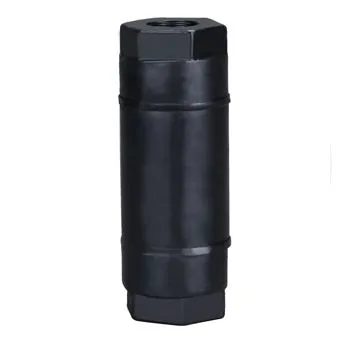
-
TD42 Thermodynamic Disc Steam Trap for RefineryNegotiableMOQ: 1 Piece
-
PN16–PN63 Disc Type Steam Trap | Threaded, Flanged & Socket Weld ConnectionsNegotiableMOQ: 1 Piece
-
TD42 Disc Type Steam Trap – Thermodynamic Steam Trap Manufacturer & Supplier in ChinaNegotiableMOQ: 1 Piece
-
TD42 Thermodynamic Disc Steam Trap for RefineryNegotiableMOQ: 1 Piece
-
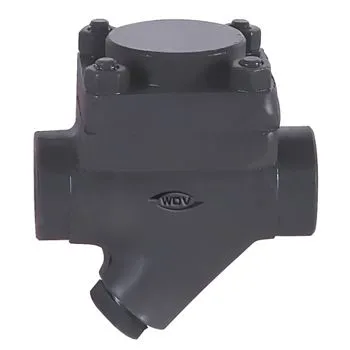
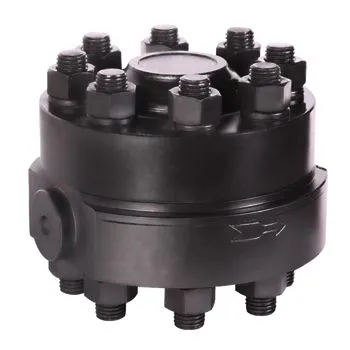
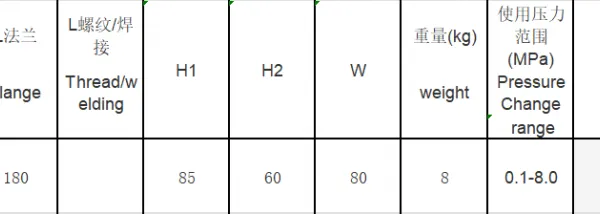
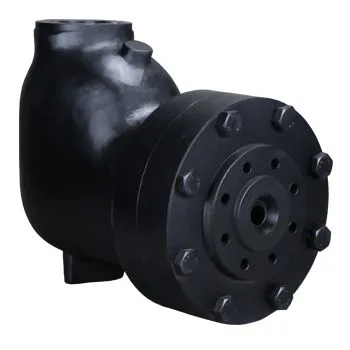
Lever Float Steam Trap Manufacturer in China | High Efficiency Steam TrapNegotiableMOQ: 1 Piece
-
Lever Float Steam Trap for Steam Heating SystemsNegotiableMOQ: 1 Piece
-
Stainless Steel Lever Float Steam Trap With Thermostatic Air VentNegotiableMOQ: 1 Piece
-
Industrial Lever Float Steam Trap for Heat ExchangersNegotiableMOQ: 1 Piece
-
PN16 PN25 PN40 Lever Float Steam Trap SupplierNegotiableMOQ: 1 Piece
-
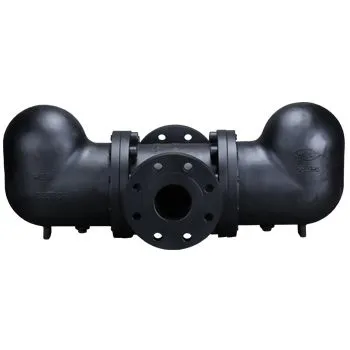
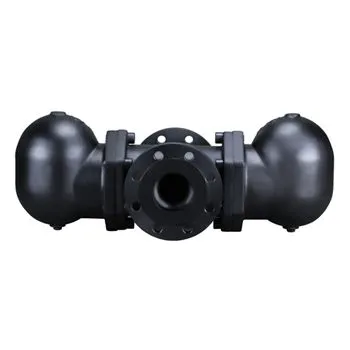
Heavy Duty Lever Float Steam Trap for Process Steam ApplicationsNegotiableMOQ: 1 Piece
-
Lever Float Steam Trap With Continuous Condensate DischargeNegotiableMOQ: 1 Piece
-
OEM Lever Float Steam Trap Factory With 45+ Years ExperienceNegotiableMOQ: 1 Piece
-
OEM Lever Float Steam Trap Factory With 45+ Years ExperienceNegotiableMOQ: 1 Piece
-
Flanged and Threaded Lever Float Steam Trap for Industrial BoilersNegotiableMOQ: 1 Piece
-
High Capacity Lever Float Steam Trap for Marine and Industrial ApplicationsNegotiableMOQ: 1 Piece