Business License

Forged vs Cast Steam Traps: Which One Is Better for Your Steam System?
Introduction
Steam traps play a critical role in maintaining the efficiency and reliability of industrial steam systems. They remove condensate, air, and non-condensable gases while preventing the loss of live steam. When selecting a steam trap, one important consideration is the body construction method: forged or cast.
Although both types perform the same basic function, their manufacturing processes, mechanical properties, pressure ratings, and applications differ significantly. Understanding these differences can help engineers and purchasing managers choose the most suitable steam trap for their systems.
What Is a Forged Steam Trap?
A forged steam trap is manufactured from forged steel. During the forging process, steel is heated and compressed under high pressure, creating a dense and uniform grain structure.
This manufacturing method produces a stronger body with excellent resistance to high pressure, high temperature, and mechanical stress.
Advantages of Forged Steam Traps
Higher mechanical strength
Excellent resistance to thermal shock
Superior pressure and temperature ratings
Better resistance to cracking and fatigue
Longer service life in demanding applications
Compact and lightweight design
Typical Applications
Power plants
Petrochemical facilities
Oil and gas processing
High-pressure steam pipelines
Superheated steam systems
Refinery steam networks
What Is a Cast Steam Trap?
A cast steam trap is produced by pouring molten metal into a mold and allowing it to solidify into the desired shape.
Common casting materials include cast iron, ductile iron, cast steel, and stainless steel.
Casting is a cost-effective manufacturing method and is widely used for low and medium-pressure steam applications.
Advantages of Cast Steam Traps
Lower manufacturing cost
Suitable for larger body sizes
Flexible design options
Easy mass production
Widely available replacement parts
Typical Applications
Food processing plants
Textile factories
Paper mills
HVAC systems
Laundry facilities
General industrial steam systems
Forged vs Cast Steam Traps: Key Differences
| Feature | Forged Steam Trap | Cast Steam Trap |
|---|---|---|
| Manufacturing Process | Steel forging | Metal casting |
| Mechanical Strength | Very high | Moderate |
| Pressure Resistance | Excellent | Good |
| Temperature Resistance | Excellent | Good |
| Impact Resistance | Excellent | Moderate |
| Risk of Internal Defects | Very low | Higher |
| Weight | Lighter | Heavier |
| Service Life | Longer | Standard |
| Cost | Higher | Lower |
| Best Application | High-pressure systems | Low to medium-pressure systems |
Pressure and Temperature Performance
One of the biggest advantages of forged steam traps is their ability to withstand extreme operating conditions.
Forged steel bodies typically maintain structural integrity under pressures exceeding 600 PSI and temperatures above 400°C (752°F), depending on design standards.
Cast steam traps are generally more suitable for lower-pressure applications where operating conditions are less demanding.
For critical steam systems where downtime is costly, forged steam traps often provide better long-term reliability.
Durability and Safety Considerations
The forging process eliminates many of the internal voids, porosity, and shrinkage defects that can occur during casting.
As a result, forged steam traps offer:
Higher fatigue resistance
Better resistance to water hammer
Improved resistance to pressure fluctuations
Reduced risk of body failure
This makes forged steam traps particularly valuable in power generation and petrochemical industries where safety is a top priority.
Cost Comparison
Cast steam traps generally have a lower initial purchase price.
However, the total lifecycle cost should also be considered.
Factors such as:
Maintenance frequency
Replacement intervals
Downtime costs
Steam loss
Reliability requirements
can make forged steam traps a more economical choice over the long term, especially in high-pressure systems.
Which Steam Trap Should You Choose?
Choose a Forged Steam Trap If:
✓ Your system operates at high pressure.
✓ Steam temperatures are extremely high.
✓ Reliability and safety are critical.
✓ Water hammer occurs frequently.
✓ Long service life is required.
Choose a Cast Steam Trap If:
✓ Budget is a primary concern.
✓ The system operates at low or medium pressure.
✓ Maintenance access is easy.
✓ General industrial applications are involved.
Conclusion
Both forged and cast steam traps have their place in industrial steam systems.
Forged steam traps offer superior strength, durability, and performance under high-pressure and high-temperature conditions, making them ideal for demanding industrial environments.
Cast steam traps provide a cost-effective solution for standard steam applications and remain a popular choice for many manufacturing facilities.
When selecting a steam trap, consider not only the purchase price but also the operating conditions, maintenance requirements, and long-term system efficiency. Choosing the right steam trap can significantly improve steam system performance, reduce energy losses, and lower overall operating costs.
Keywords
Forged Steam Trap, Cast Steam Trap, Forged Steel Steam Trap, Cast Steel Steam Trap, Steam Trap Selection, High Pressure Steam Trap, Industrial Steam Trap, Steam System Efficiency, Steam Trap Manufacturer, Steam Trap Applications
Recently Posted
-
How to Choose the Right Steam Trap for Your Application
July 31, 2026IntroductionChoosing the correct steam trap is one of the most important decisions in designing or maintaining an efficient steam Read More
 -
Why Do Customers Still Buy Chinese Steam Traps?
July 31, 2026In today's global industrial market, buyers have access to some of the world's most recognized steam trap brands, includin Read More
 -
High-Quality Steam Traps from Qiaofa Machinery – Efficient and Durable Solutions
July 31, 2026Introduction to Steam Traps and Their ImportanceSteam traps are essential components in any steam system, serving the critical fun Read More
 -
Steam Trap Material Selection Guide: How to Choose the Right Material for Your Steam System
July 29, 2026IntroductionChoosing the correct steam trap material is just as important as selecting the right steam trap type. A steam trap ins Read More

Contact Us
Recommended Products
-
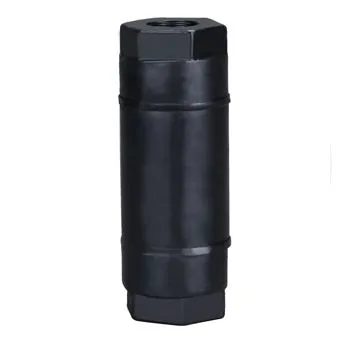
 Capsule-Type Steam Trap Forged SteelNegotiableMOQ: 1 Piece
 -
OEM Thermostatic Bellows Steam TrapNegotiableMOQ: 1 Piece
-
Bellows Steam Trap Manufacturer | Industrial Thermostatic Steam Traps SupplierNegotiableMOQ: 1 Piece
-
Industrial Thermostatic Steam Trap With Stainless Steel Bellows – ManufacturerNegotiableMOQ: 1 Piece
-
Thermostatic Bellows Steam Trap | Stainless Steel for Steam Tracing SystemsNegotiableMOQ: 1 Piece
-
TD42 Thermodynamic Disc Steam Trap for RefineryNegotiableMOQ: 1 Piece
-
PN16–PN63 Disc Type Steam Trap | Threaded, Flanged & Socket Weld ConnectionsNegotiableMOQ: 1 Piece
-
TD42 Disc Type Steam Trap – Thermodynamic Steam Trap Manufacturer & Supplier in ChinaNegotiableMOQ: 1 Piece
-
TD42 Thermodynamic Disc Steam Trap for RefineryNegotiableMOQ: 1 Piece
-
Lever Float Steam Trap Manufacturer in China | High Efficiency Steam TrapNegotiableMOQ: 1 Piece
-
Lever Float Steam Trap for Steam Heating SystemsNegotiableMOQ: 1 Piece
-
Stainless Steel Lever Float Steam Trap With Thermostatic Air VentNegotiableMOQ: 1 Piece
-
Industrial Lever Float Steam Trap for Heat ExchangersNegotiableMOQ: 1 Piece
-
PN16 PN25 PN40 Lever Float Steam Trap SupplierNegotiableMOQ: 1 Piece
-
Heavy Duty Lever Float Steam Trap for Process Steam ApplicationsNegotiableMOQ: 1 Piece
-
Lever Float Steam Trap With Continuous Condensate DischargeNegotiableMOQ: 1 Piece
-
OEM Lever Float Steam Trap Factory With 45+ Years ExperienceNegotiableMOQ: 1 Piece
-
OEM Lever Float Steam Trap Factory With 45+ Years ExperienceNegotiableMOQ: 1 Piece
-
Flanged and Threaded Lever Float Steam Trap for Industrial BoilersNegotiableMOQ: 1 Piece
-
High Capacity Lever Float Steam Trap for Marine and Industrial ApplicationsNegotiableMOQ: 1 Piece