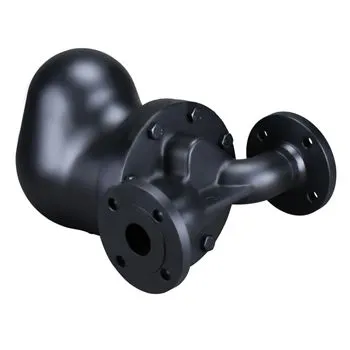
Business License

How to Determine Whether a Steam Trap Manufacturer Is Reliable
Steam traps are essential components in steam systems, helping remove condensate, air, and non-condensable gases while preventing the loss of valuable steam. Choosing the right steam trap manufacturer can significantly affect system efficiency, maintenance costs, and operational reliability.
With hundreds of suppliers available worldwide, how can you identify a trustworthy steam trap manufacturer? Here are the key factors every buyer should consider.
1. Check the Manufacturer's Industry Experience
Experience matters in the steam industry.
A manufacturer with many years of experience is more likely to understand different steam applications, including:
Textile plants
Food processing facilities
Pharmaceutical factories
Chemical plants
Refineries
Power generation facilities
Experienced manufacturers can recommend the most suitable steam trap type for your operating conditions and help solve complex steam system issues.
Questions to Ask
How many years have you been manufacturing steam traps?
Which industries do your products serve?
Can you provide project references?
2. Evaluate Product Range
A reliable manufacturer should offer multiple steam trap solutions rather than only one product type.
Common steam trap types include:
Thermodynamic Steam Traps
Suitable for high-pressure steam systems and outdoor installations.
Float Steam Traps
Ideal for continuous condensate discharge and high heat transfer applications.
Float and Thermostatic Steam Traps
Widely used in heat exchangers and process equipment.
Thermostatic Steam Traps
Suitable for tracing lines and low-capacity applications.
Bimetallic Steam Traps
Designed for high-temperature and superheated steam systems.
A comprehensive product range demonstrates strong technical capabilities.
3. Verify Manufacturing Capabilities
A genuine manufacturer should have its own production facilities rather than relying entirely on outsourcing.
Key areas to evaluate include:
CNC machining equipment
Casting or forging capabilities
Assembly lines
Pressure testing equipment
Quality control procedures
Factory photos and production videos can provide valuable insight into actual manufacturing capabilities.
4. Review Quality Certifications
Reliable steam trap manufacturers typically maintain internationally recognized certifications such as:
ISO 9001 Quality Management System
CE Certification
PED Compliance
Material Test Certificates
Pressure Test Reports
These certifications indicate that products are manufactured according to recognized quality standards.
5. Examine Material Quality
The performance of a steam trap depends heavily on material selection.
Common materials include:
Cast Iron
Carbon Steel
Stainless Steel 304
Stainless Steel 316
Forged Steel
A trustworthy manufacturer should clearly provide material specifications and testing documentation.
6. Assess Technical Support
A reliable supplier does more than sell products.
They should be able to assist with:
Steam trap selection
Capacity calculations
Installation recommendations
Troubleshooting support
Replacement recommendations
Manufacturers with strong engineering teams can help customers improve steam system efficiency and reduce energy losses.
7. Check Export Experience
Export experience is especially important when sourcing from overseas suppliers.
A qualified exporter should understand:
International standards
Export packaging requirements
Shipping documentation
Customs procedures
After-sales service
Manufacturers serving customers in multiple countries often have more mature quality control and communication systems.
8. Request Testing Reports
Before placing large orders, buyers should request:
Pressure test reports
Leakage test reports
Material certificates
Product inspection records
Reliable manufacturers are usually willing to provide these documents.
9. Look for Customer Reviews and References
Customer feedback can reveal valuable information about:
Product quality
Delivery performance
Technical support
Long-term reliability
Ask whether the manufacturer can provide references from existing customers or successful project cases.
10. Avoid Choosing Based Only on Price
The lowest-priced steam trap is not always the most economical choice.
Poor-quality steam traps may cause:
Steam leakage
Reduced equipment efficiency
Increased maintenance costs
Production downtime
A slightly higher-quality product often delivers significant savings through improved energy efficiency and longer service life.
Conclusion
Choosing a reliable steam trap manufacturer requires evaluating more than just product pricing. Buyers should carefully consider experience, manufacturing capabilities, certifications, material quality, technical support, and export experience.
A trustworthy manufacturer will not only supply steam traps but also help optimize your steam system, reduce energy consumption, and improve operational efficiency.
When evaluating potential suppliers, focus on long-term value rather than short-term cost savings. A reliable steam trap partner can contribute significantly to the success of your industrial operations.
Qiaofa Machinery Manufacturing Co., Ltd. (Formerly Beijing Drainage Valve Factory) Headquarters: Fangshan District, Beijing Manufacturing Base: Lingcheng District, Dezhou City, Shandong Province Established in 1980 with registered capital exceeding RMB 50 million, our company has evolved through 40+ years of innovation into a modern valve manufacturing enterprise integrating R&D, production, sales, and service. In 2023, we completed corporate restructuring to establish a modern enterprise system, acquiring land in Lingcheng District to build a state-of-the-art production facility.
Recently Posted
-
How to Choose the Right Steam Trap for Your Application
July 31, 2026IntroductionChoosing the correct steam trap is one of the most important decisions in designing or maintaining an efficient steam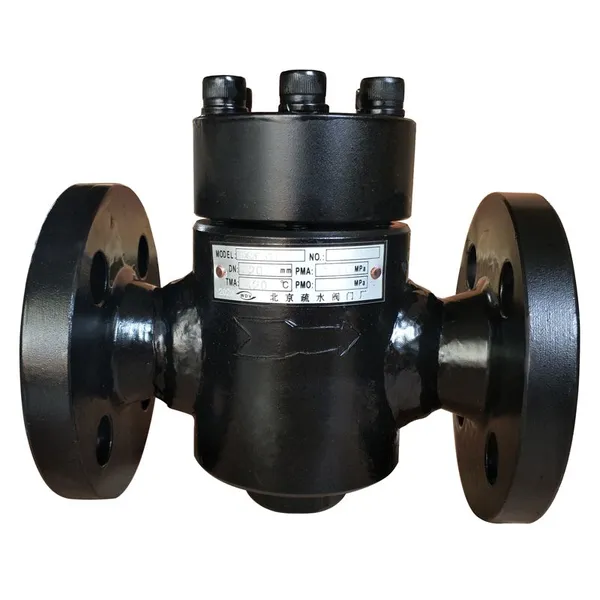 Read More
 -
Why Do Customers Still Buy Chinese Steam Traps?
July 31, 2026In today's global industrial market, buyers have access to some of the world's most recognized steam trap brands, includin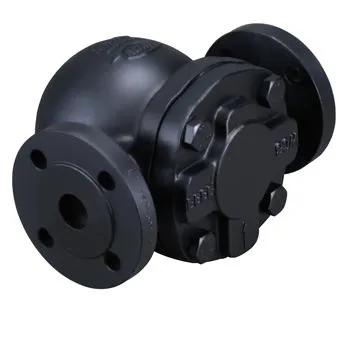 Read More
 -
High-Quality Steam Traps from Qiaofa Machinery – Efficient and Durable Solutions
July 31, 2026Introduction to Steam Traps and Their ImportanceSteam traps are essential components in any steam system, serving the critical fun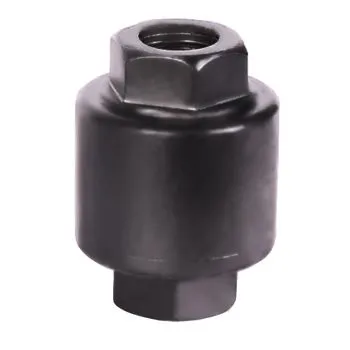 Read More
 -
Steam Trap Material Selection Guide: How to Choose the Right Material for Your Steam System
July 29, 2026IntroductionChoosing the correct steam trap material is just as important as selecting the right steam trap type. A steam trap ins Read More

Contact Us
Recommended Products
-
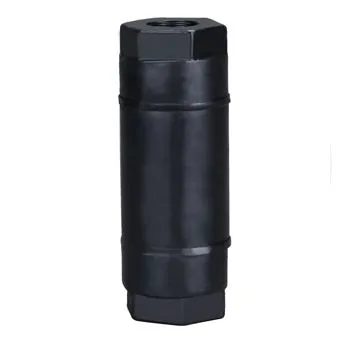
 Capsule-Type Steam Trap Forged SteelNegotiableMOQ: 1 Piece
 -
OEM Thermostatic Bellows Steam TrapNegotiableMOQ: 1 Piece
-
Bellows Steam Trap Manufacturer | Industrial Thermostatic Steam Traps SupplierNegotiableMOQ: 1 Piece
-
Industrial Thermostatic Steam Trap With Stainless Steel Bellows – ManufacturerNegotiableMOQ: 1 Piece
-
Thermostatic Bellows Steam Trap | Stainless Steel for Steam Tracing SystemsNegotiableMOQ: 1 Piece
-
TD42 Thermodynamic Disc Steam Trap for RefineryNegotiableMOQ: 1 Piece
-
PN16–PN63 Disc Type Steam Trap | Threaded, Flanged & Socket Weld ConnectionsNegotiableMOQ: 1 Piece
-
TD42 Disc Type Steam Trap – Thermodynamic Steam Trap Manufacturer & Supplier in ChinaNegotiableMOQ: 1 Piece
-
TD42 Thermodynamic Disc Steam Trap for RefineryNegotiableMOQ: 1 Piece
-
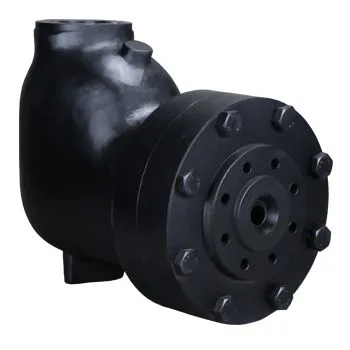
Lever Float Steam Trap Manufacturer in China | High Efficiency Steam TrapNegotiableMOQ: 1 Piece
-
Lever Float Steam Trap for Steam Heating SystemsNegotiableMOQ: 1 Piece
-
Stainless Steel Lever Float Steam Trap With Thermostatic Air VentNegotiableMOQ: 1 Piece
-
Industrial Lever Float Steam Trap for Heat ExchangersNegotiableMOQ: 1 Piece
-
PN16 PN25 PN40 Lever Float Steam Trap SupplierNegotiableMOQ: 1 Piece
-
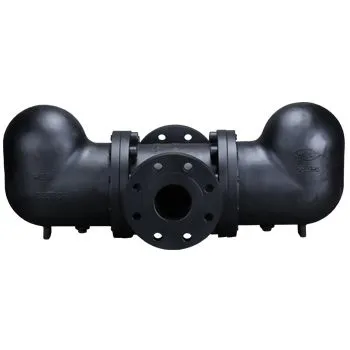
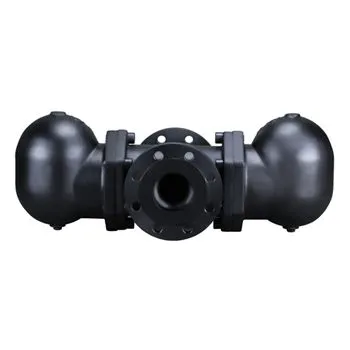
Heavy Duty Lever Float Steam Trap for Process Steam ApplicationsNegotiableMOQ: 1 Piece
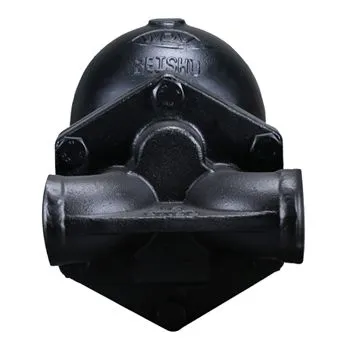
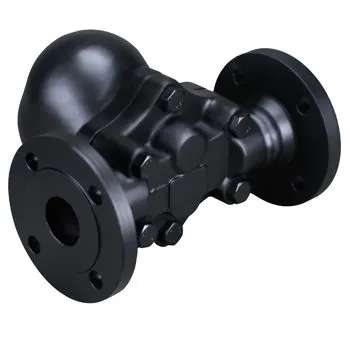
-
Lever Float Steam Trap With Continuous Condensate DischargeNegotiableMOQ: 1 Piece
-
OEM Lever Float Steam Trap Factory With 45+ Years ExperienceNegotiableMOQ: 1 Piece
-
OEM Lever Float Steam Trap Factory With 45+ Years ExperienceNegotiableMOQ: 1 Piece
-
Flanged and Threaded Lever Float Steam Trap for Industrial BoilersNegotiableMOQ: 1 Piece
-
High Capacity Lever Float Steam Trap for Marine and Industrial ApplicationsNegotiableMOQ: 1 Piece