Business License

When Should a Steam Trap Be Replaced?
When Should a Steam Trap Be Replaced?
Steam traps are critical components in any steam system. A failed steam trap can cause energy loss, reduced production efficiency, equipment damage, and increased maintenance costs. Knowing when to replace a steam trap can help prevent unexpected downtime and improve overall system performance.
1. Continuous Live Steam Leakage
One of the most common signs of steam trap failure is continuous live steam discharge from the outlet.
Typical symptoms include:
Visible steam blowing from condensate lines
Increased steam consumption
Higher energy bills
Reduced boiler efficiency
If a steam trap remains open and allows valuable steam to escape continuously, replacement is usually more economical than repeated repairs.
2. Condensate Backup
A steam trap should remove condensate as soon as it forms.
Signs of condensate accumulation include:
Slow equipment heating
Reduced heat transfer efficiency
Water hammer
Unstable process temperatures
When condensate cannot be discharged properly, internal components may be worn, blocked, or damaged.
3. Frequent Water Hammer
Water hammer can indicate that condensate is not being removed effectively.
Repeated water hammer may cause:
Pipe vibration
Damage to valves and fittings
Premature equipment failure
If the steam trap can no longer handle condensate loads, replacement should be considered.
4. Excessive Corrosion or External Damage
Inspect the trap body regularly for:
Severe rust
Cracks
Erosion
Leakage from body joints
Structural damage can compromise safety and reliability.
5. Internal Component Wear
Common wear items include:
Valve seats
Valve discs
Float mechanisms
Thermostatic elements
Air vents
If maintenance records show repeated repairs within a short period, replacing the entire trap may be more cost-effective.
6. Aging Beyond Expected Service Life
Typical service life depends on operating conditions:
Thermodynamic Steam Trap: 3–5 years
Float & Thermostatic Steam Trap: 5–8 years
Inverted Bucket Steam Trap: 5–10 years
Bimetallic Steam Trap: 5–8 years
High pressure, poor water quality, and frequent cycling can shorten service life.
7. Increased Energy Loss
A failed steam trap can waste thousands of dollars in steam annually.
Signs include:
Rising fuel consumption
Increased boiler load
Unexpected utility costs
Regular steam trap surveys often identify traps that should be replaced immediately to reduce energy losses.
Conclusion
A steam trap should be replaced when it leaks live steam, fails to discharge condensate, suffers severe corrosion, experiences frequent failures, or reaches the end of its service life. Regular inspection and preventive maintenance can help identify problems early and keep steam systems operating efficiently.
If you're unsure whether your steam trap needs replacing, please contact us—we'll diagnose the issue for free.
Recently Posted
-
How to Choose the Right Steam Trap for Your Application
July 31, 2026IntroductionChoosing the correct steam trap is one of the most important decisions in designing or maintaining an efficient steam Read More
 -
Why Do Customers Still Buy Chinese Steam Traps?
July 31, 2026In today's global industrial market, buyers have access to some of the world's most recognized steam trap brands, includin Read More
 -
High-Quality Steam Traps from Qiaofa Machinery – Efficient and Durable Solutions
July 31, 2026Introduction to Steam Traps and Their ImportanceSteam traps are essential components in any steam system, serving the critical fun Read More
 -
Steam Trap Material Selection Guide: How to Choose the Right Material for Your Steam System
July 29, 2026IntroductionChoosing the correct steam trap material is just as important as selecting the right steam trap type. A steam trap ins Read More

Contact Us
Recommended Products
-
 Capsule-Type Steam Trap Forged SteelNegotiableMOQ: 1 Piece
 -
OEM Thermostatic Bellows Steam TrapNegotiableMOQ: 1 Piece
-
Bellows Steam Trap Manufacturer | Industrial Thermostatic Steam Traps SupplierNegotiableMOQ: 1 Piece
-
Industrial Thermostatic Steam Trap With Stainless Steel Bellows – ManufacturerNegotiableMOQ: 1 Piece
-
Thermostatic Bellows Steam Trap | Stainless Steel for Steam Tracing SystemsNegotiableMOQ: 1 Piece
-
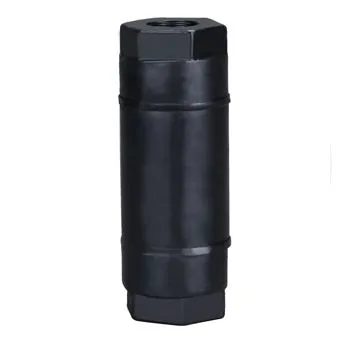
TD42 Thermodynamic Disc Steam Trap for RefineryNegotiableMOQ: 1 Piece
-
PN16–PN63 Disc Type Steam Trap | Threaded, Flanged & Socket Weld ConnectionsNegotiableMOQ: 1 Piece
-
TD42 Disc Type Steam Trap – Thermodynamic Steam Trap Manufacturer & Supplier in ChinaNegotiableMOQ: 1 Piece
-
TD42 Thermodynamic Disc Steam Trap for RefineryNegotiableMOQ: 1 Piece
-
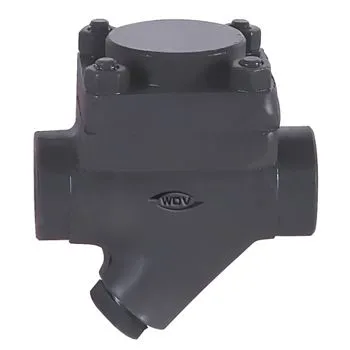
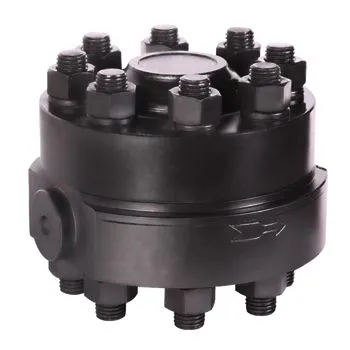
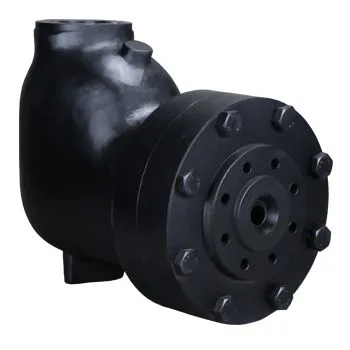
Lever Float Steam Trap Manufacturer in China | High Efficiency Steam TrapNegotiableMOQ: 1 Piece
-
Lever Float Steam Trap for Steam Heating SystemsNegotiableMOQ: 1 Piece
-
Stainless Steel Lever Float Steam Trap With Thermostatic Air VentNegotiableMOQ: 1 Piece
-
Industrial Lever Float Steam Trap for Heat ExchangersNegotiableMOQ: 1 Piece
-
PN16 PN25 PN40 Lever Float Steam Trap SupplierNegotiableMOQ: 1 Piece
-
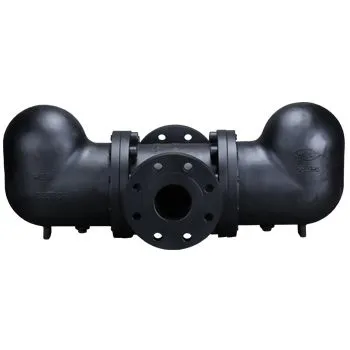
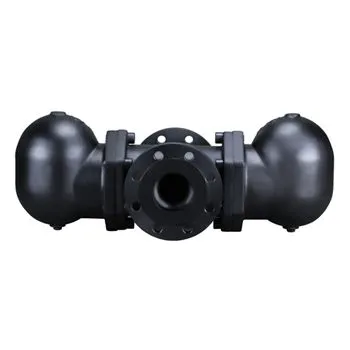
Heavy Duty Lever Float Steam Trap for Process Steam ApplicationsNegotiableMOQ: 1 Piece
-
Lever Float Steam Trap With Continuous Condensate DischargeNegotiableMOQ: 1 Piece
-
OEM Lever Float Steam Trap Factory With 45+ Years ExperienceNegotiableMOQ: 1 Piece
-
OEM Lever Float Steam Trap Factory With 45+ Years ExperienceNegotiableMOQ: 1 Piece
-
Flanged and Threaded Lever Float Steam Trap for Industrial BoilersNegotiableMOQ: 1 Piece
-
High Capacity Lever Float Steam Trap for Marine and Industrial ApplicationsNegotiableMOQ: 1 Piece