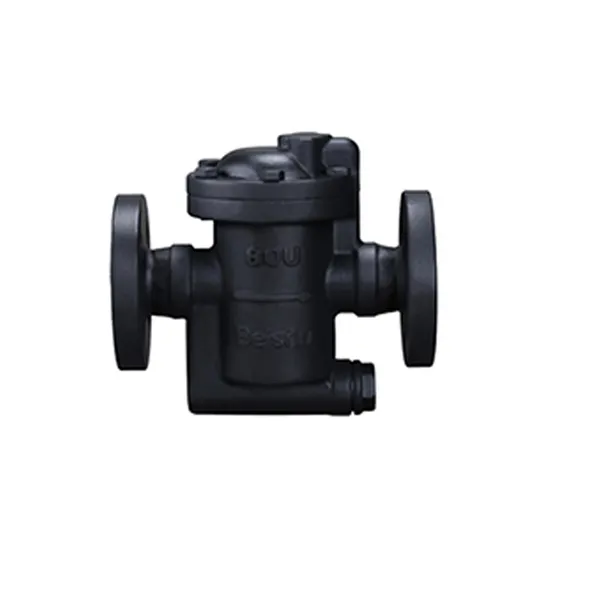
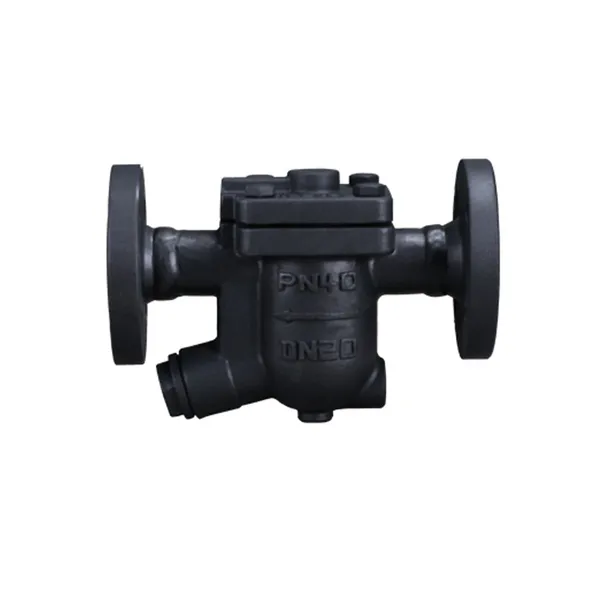
Business License

How to Choose the Right Steam Trap: A Complete Selection Guide
Introduction
Selecting the correct steam trap is critical for maintaining steam system efficiency, reducing energy loss, and preventing equipment damage. A properly selected steam trap removes condensate and non-condensable gases while preventing live steam loss.
This guide explains the key factors to consider when choosing a steam trap and helps you identify the best steam trap for your application.
What Is a Steam Trap?
A steam trap is an automatic valve designed to discharge condensate, air, and other non-condensable gases from a steam system without allowing valuable steam to escape.
Steam traps improve:
Energy efficiency
Heat transfer performance
Equipment protection
Production reliability
Step 1: Identify Your Application
Different applications require different types of steam traps.
Common applications include:
Steam Main Drainage
Recommended Steam Trap:
Thermodynamic Disc Steam Trap
Inverted Bucket Steam Trap
Advantages:
Durable
Water hammer resistant
Suitable for outdoor installation
Heat Exchangers
Recommended Steam Trap:
Float & Thermostatic Steam Trap
Advantages:
Continuous condensate discharge
Excellent temperature control
High heat transfer efficiency
Tracing Lines
Recommended Steam Trap:
Thermostatic Steam Trap
Bimetallic Steam Trap
Advantages:
Good temperature control
Suitable for low condensate loads
Step 2: Determine Operating Pressure
Steam pressure is one of the most important selection criteria.
Questions to consider:
What is the steam pressure?
What is the back pressure?
Are pressure fluctuations expected?
For high-pressure systems, thermodynamic disc steam traps are often the preferred solution because they can withstand high pressure and high temperature conditions.
Step 3: Calculate Condensate Load
The steam trap must be capable of discharging the maximum amount of condensate generated by the equipment.
Factors affecting condensate load include:
Steam consumption
Startup load
Operating load
Safety factor
A common recommendation is to select a steam trap with a capacity 2 to 3 times greater than the normal condensate load.
Step 4: Consider Steam Temperature
Different steam traps perform differently under various temperature conditions.
Saturated Steam
Suitable Steam Traps:
Float Steam Trap
Thermodynamic Steam Trap
Inverted Bucket Steam Trap
Superheated Steam
Suitable Steam Traps:
Thermodynamic Disc Steam Trap
Bimetallic Steam Trap
These designs provide better resistance to high temperatures and thermal shock.
Step 5: Evaluate Installation Environment
Consider:
Indoor or outdoor installation
Risk of freezing
Accessibility for maintenance
Presence of water hammer
For harsh environments, thermodynamic disc steam traps are widely used because of their compact design and excellent durability.
Comparison of Steam Trap Types
| Steam Trap Type | Best Application | Pressure Range | Maintenance |
|---|---|---|---|
| Thermodynamic Disc | Steam mains | High | Low |
| Float & Thermostatic | Heat exchangers | Low to Medium | Medium |
| Inverted Bucket | Process equipment | Medium to High | Medium |
| Thermostatic Bellows | Tracing lines | Low to Medium | Low |
| Bimetallic | Superheated steam | High | Low |
Common Steam Trap Selection Mistakes
Choosing Based on Pipe Size Alone
Pipe size does not determine steam trap capacity.
Ignoring Startup Load
Many systems generate significantly more condensate during startup than during normal operation.
Selecting an Oversized Steam Trap
Oversized steam traps can lead to poor performance and premature wear.
Ignoring Back Pressure
Back pressure can reduce discharge capacity and affect operation.
Conclusion
Choosing the right steam trap requires careful consideration of:
Application
Steam pressure
Condensate load
Steam temperature
Installation conditions
For steam mains and high-pressure systems, thermodynamic disc steam traps are often the most economical and reliable choice. For heat exchangers and process equipment, float and thermostatic steam traps typically provide the best performance.
Need help selecting a steam trap for your project? Contact our engineering team for professional steam trap sizing and selection support.
Recently Posted
-
When Should a Steam Trap Be Replaced?
June 12, 2026When Should a Steam Trap Be Replaced?Steam traps are critical components in any steam system. A failed steam trap can cause energy Read More
 -
Lever Ball Float Steam Trap: Working Principle, Advantages, and Applications
June 12, 2026What Is a Lever Ball Float Steam Trap?A Lever Ball Float Steam Trap is a mechanical steam trap designed to automatically discharge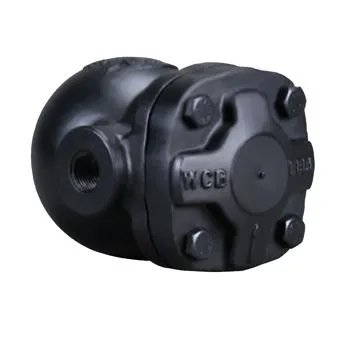 Read More
 -
Thermodynamic vs Float Steam Trap: Which Steam Trap Is Better for Your Steam System?
June 11, 2026IntroductionChoosing the right steam trap is essential for improving steam system efficiency, reducing energy consumption, and ens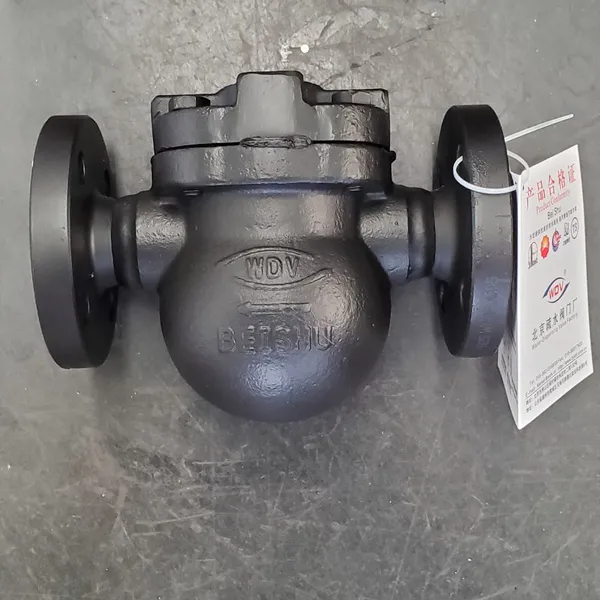 Read More
 -
Key Features of Lever Ball Float Steam Trap
June 11, 2026Key Features of wdv Lever Ball Float Steam TrapContinuous Condensate DischargeThe lever ball float mechanism automatically adjusts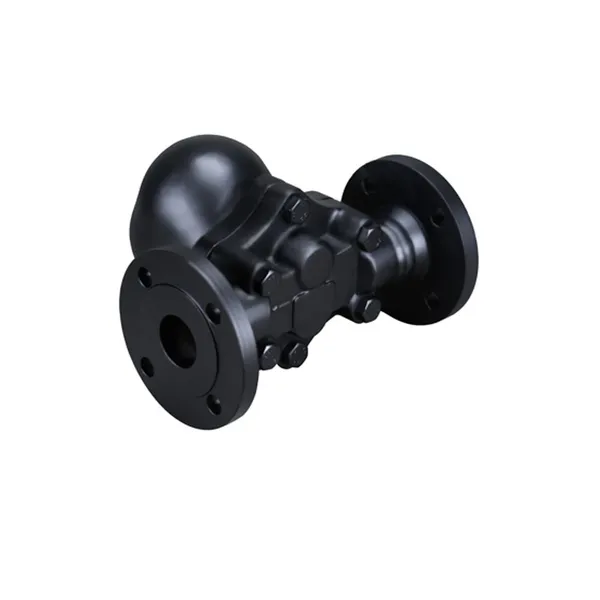 Read More

Contact Us
Recommended Products
-
 Thermodynamic Disc Trap S31n Automatic Water Drain Steam Traps for Steam SystemNegotiableMOQ: 1 Piece
 -
FQ1steam Trap Flanged Ball Float Steam Valve (FT14-Flange) Steam TrapNegotiableMOQ: 1 Piece
-
STEAM TRAP DN25/1INCH, THERMODYNAMIC, THREADED TYPE CONNECTION NPT, ASME CLASS 600 PN63/100 Preferred Brand: ARMSTRONGNegotiableMOQ: 1 Piece
-
Thermodynamic Disc Steam Trap Flanged/Thread/Socket WeldNegotiableMOQ: 1 Piece
-
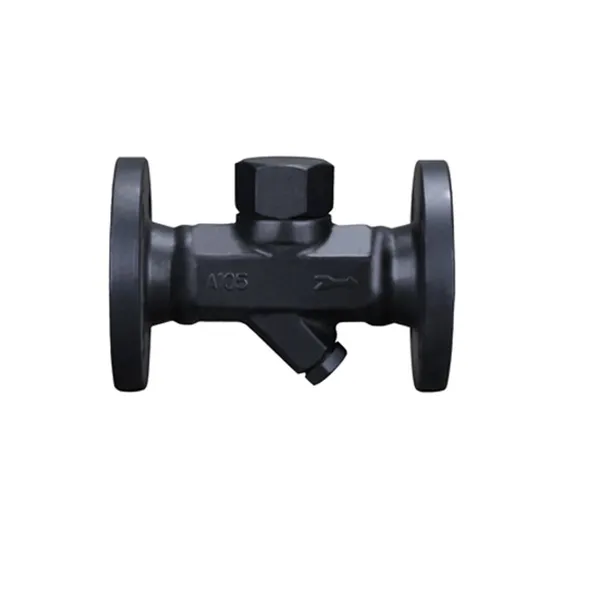
CA40 PN63 Stainless Steel Thermodynamic Steam Trap Valve 1 Inch Threaded High Pressure Steam DrainerNegotiableMOQ: 1 Piece
-
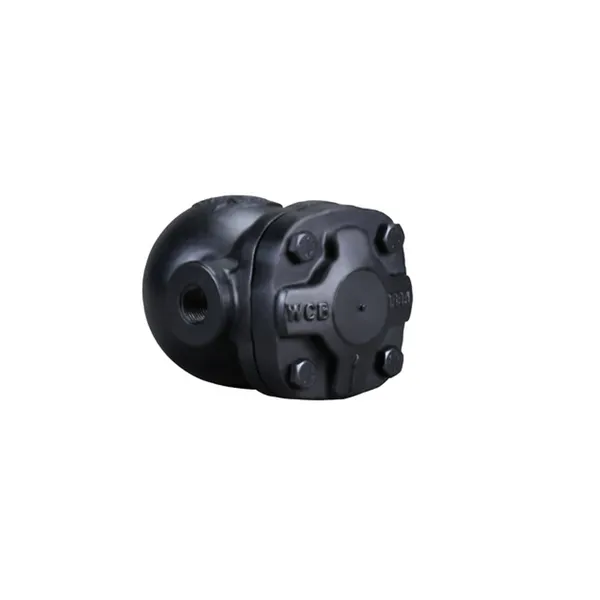
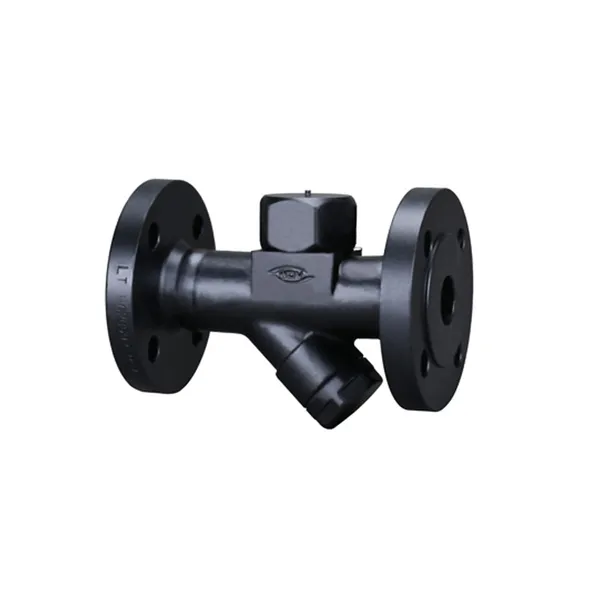
High Performancep Bellows Type Steam Trap Thermostatic Steam Trap for Steam PipelineNegotiableMOQ: 1 Piece
-
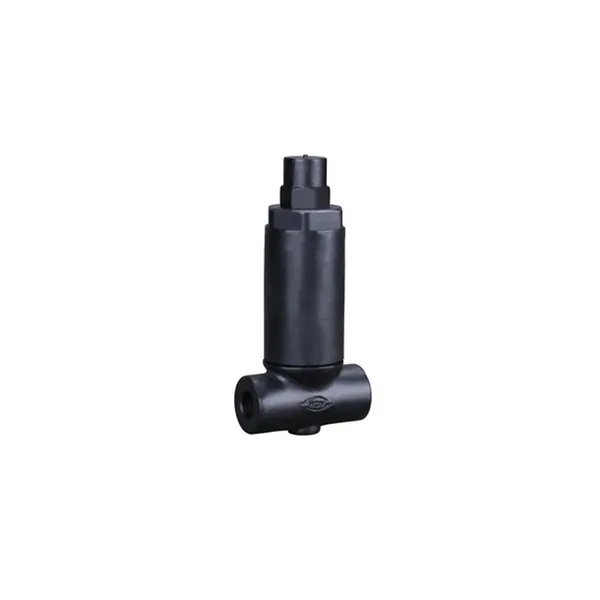
Wdv BK Series Bimetallic Steam Trap | Durable Thermostatic Steam Trap for Steam Main, Steam Tracing and Industrial Heating SystemsNegotiableMOQ: 1 Piece
-
OEM Thermostatic Bellows Steam Trap | Stainless Steel Temperature Sensitive Steam Trap for Industrial Steam SystemsNegotiableMOQ: 1 Piece
-
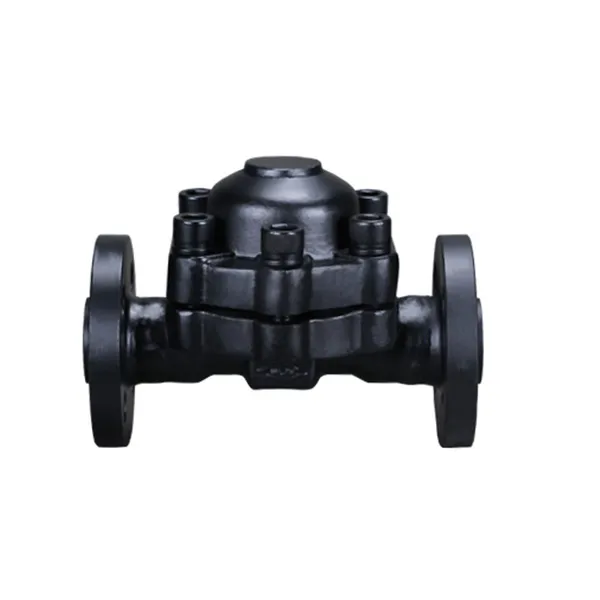
Wdv TD42 Thermodynamic Disc Steam Trap | Durable Mechanical Steam Trap for Steam Lines | High Efficiency Condensate DrainageNegotiableMOQ: 1 Piece
-
Wdv FT14 Lever Float Steam Trap | High Efficiency Ball Float Steam Trap for Heat Exchanger Boiler and Steam Heating SystemsNegotiableMOQ: 1 Piece
-
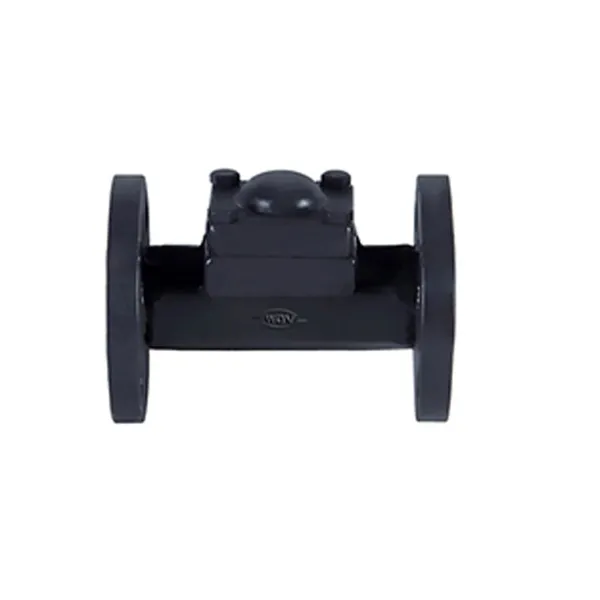
OEM Inverted Bucket Steam Trap IB Series | High Efficiency Mechanical Steam Trap for Boiler Steam Line | Cast Steel Flanged Steam Trap ManufacturerNegotiableMOQ: 1 Piece
-
WDV CS41H-16C Free Float Steam Trap, Carbon Steel / Stainless Steel, For Chemical Processing, Nuclear Power, Food & Pharmaceutical ApplicationsNegotiableMOQ: 1 Set