Business License

Thermodynamic vs Float Steam Trap: Which Steam Trap Is Better for Your Steam System?
Introduction
Choosing the right steam trap is essential for improving steam system efficiency, reducing energy consumption, and ensuring reliable operation. Among the most commonly used steam traps in industrial applications are the Thermodynamic Steam Trap and the Float Steam Trap.
Many engineers and maintenance professionals ask:
What is the difference between a thermodynamic steam trap and a float steam trap?
Which steam trap is better for my application?
When should I use a disc steam trap instead of a float steam trap?
In this guide, we compare these two popular steam trap types to help you make the right decision.
What Is a Thermodynamic Steam Trap?
A Thermodynamic Steam Trap, also known as a Disc Steam Trap, operates based on the dynamic effect of flash steam and pressure differences.
When condensate enters the trap, the disc lifts and allows discharge. As flash steam forms, pressure above the disc increases, forcing the disc onto its seat and closing the valve.
Main Features
Compact structure
Lightweight design
Excellent resistance to water hammer
Suitable for high-pressure applications
Easy installation and maintenance
Long service life
Typical Applications
Steam mains
Steam distribution lines
Outdoor installations
High-pressure steam systems
Superheated steam applications
What Is a Float Steam Trap?
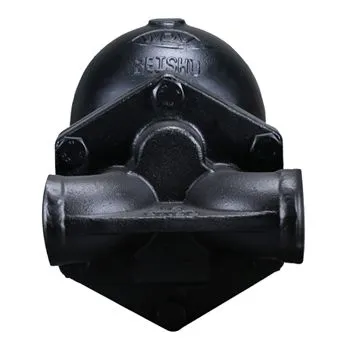
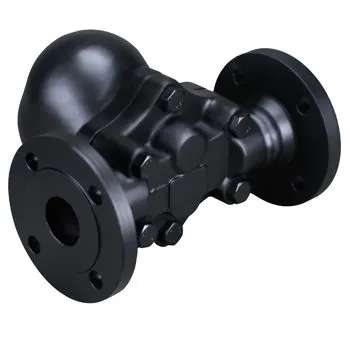
A Float Steam Trap, often called a Float and Thermostatic (F&T) Steam Trap, operates using a floating ball that rises and falls according to condensate levels.
As condensate enters the trap body, the float rises and continuously opens the valve to discharge condensate. When condensate decreases, the valve closes.
Main Features
Continuous condensate discharge
Excellent heat transfer efficiency
High condensate handling capacity
Stable operation under varying loads
Suitable for process equipment
Typical Applications
Heat exchangers
Dryers
Jacketed vessels
Process equipment
Food and beverage plants
Thermodynamic vs Float Steam Trap: Key Differences
1. Operating Principle
Thermodynamic Steam Trap
Uses pressure and velocity differences created by flash steam.
Float Steam Trap
Uses a mechanical float that responds directly to condensate level.
Winner: Depends on application.
2. Condensate Discharge Method
Thermodynamic Steam Trap
Intermittent discharge.
Condensate is released periodically as the disc opens and closes.
Float Steam Trap
Continuous discharge.
Condensate is removed immediately as it forms.
Winner: Float Steam Trap
Continuous discharge provides better temperature control for heat transfer equipment.
3. Resistance to Water Hammer
Water hammer can severely damage steam system components.
Thermodynamic Steam Trap
Excellent resistance to water hammer due to its simple disc design.
Float Steam Trap
More vulnerable because of internal moving parts.
Winner: Thermodynamic Steam Trap
4. High Pressure Capability
Thermodynamic Steam Trap
Can operate under very high pressures and temperatures.
Float Steam Trap
Generally used in low to medium pressure applications.
Winner: Thermodynamic Steam Trap
5. Maintenance Requirements
Thermodynamic Steam Trap
Few moving parts.
Easy to inspect and repair.
Low maintenance costs.
Float Steam Trap
Contains float mechanisms, valves, and thermostatic air vents.
Requires more maintenance.
Winner: Thermodynamic Steam Trap
6. Energy Efficiency
Thermodynamic Steam Trap
Highly efficient for steam mains and distribution systems.
Float Steam Trap
Provides maximum heat transfer efficiency in process equipment because condensate is discharged continuously.
Winner: Depends on application.
Comparison Table
| Feature | Thermodynamic Steam Trap | Float Steam Trap |
|---|---|---|
| Condensate Discharge | Intermittent | Continuous |
| Water Hammer Resistance | Excellent | Good |
| High Pressure Capability | Excellent | Moderate |
| Superheated Steam | Excellent | Limited |
| Maintenance | Low | Medium |
| Initial Cost | Lower | Higher |
| Heat Transfer Equipment | Fair | Excellent |
| Steam Main Drainage | Excellent | Good |
| Outdoor Installation | Excellent | Fair |
When to Choose a Thermodynamic Steam Trap
A Thermodynamic Steam Trap is usually the best choice when:
Steam pressure is high
Water hammer is common
Installation is outdoors
Maintenance access is limited
Budget is important
Steam mains require drainage
Superheated steam is used
Industries commonly using thermodynamic steam traps include:
Oil and gas
Chemical plants
Power generation
Textile manufacturing
Paper mills
When to Choose a Float Steam Trap
A Float Steam Trap is usually the best choice when:
Continuous condensate removal is required
Heat transfer efficiency is critical
Process equipment must maintain stable temperatures
Large condensate loads are present
Industries commonly using float steam traps include:
Food processing
Pharmaceutical manufacturing
Breweries
Dairy plants
HVAC systems
Which Steam Trap Is Better?
There is no single steam trap that is best for every application.
Choose a Thermodynamic Steam Trap if you need:
High pressure performance
Water hammer resistance
Low maintenance
Cost-effective operation
Choose a Float Steam Trap if you need:
Continuous condensate discharge
Maximum heat transfer efficiency
Process temperature control
High condensate capacity
The best steam trap is the one that matches your specific operating conditions and process requirements.
Conclusion
Both Thermodynamic Steam Traps and Float Steam Traps play important roles in industrial steam systems.
For steam mains, high-pressure pipelines, and outdoor installations, Thermodynamic Steam Traps are often the preferred solution due to their durability, simplicity, and low maintenance requirements.
For heat exchangers and process equipment where continuous condensate removal is critical, Float Steam Traps typically provide superior performance.
If you are unsure which steam trap is suitable for your application, consult a professional steam trap manufacturer to ensure optimal system efficiency and long-term reliability.
Recently Posted
-
How to Choose the Right Steam Trap for Your Application
July 31, 2026IntroductionChoosing the correct steam trap is one of the most important decisions in designing or maintaining an efficient steam Read More
 -
Why Do Customers Still Buy Chinese Steam Traps?
July 31, 2026In today's global industrial market, buyers have access to some of the world's most recognized steam trap brands, includin Read More
 -
High-Quality Steam Traps from Qiaofa Machinery – Efficient and Durable Solutions
July 31, 2026Introduction to Steam Traps and Their ImportanceSteam traps are essential components in any steam system, serving the critical fun Read More
 -
Steam Trap Material Selection Guide: How to Choose the Right Material for Your Steam System
July 29, 2026IntroductionChoosing the correct steam trap material is just as important as selecting the right steam trap type. A steam trap ins Read More

Contact Us
Recommended Products
-
 Capsule-Type Steam Trap Forged SteelNegotiableMOQ: 1 Piece
 -
OEM Thermostatic Bellows Steam TrapNegotiableMOQ: 1 Piece
-
Bellows Steam Trap Manufacturer | Industrial Thermostatic Steam Traps SupplierNegotiableMOQ: 1 Piece
-
Industrial Thermostatic Steam Trap With Stainless Steel Bellows – ManufacturerNegotiableMOQ: 1 Piece
-
Thermostatic Bellows Steam Trap | Stainless Steel for Steam Tracing SystemsNegotiableMOQ: 1 Piece
-
TD42 Thermodynamic Disc Steam Trap for RefineryNegotiableMOQ: 1 Piece
-
PN16–PN63 Disc Type Steam Trap | Threaded, Flanged & Socket Weld ConnectionsNegotiableMOQ: 1 Piece
-
TD42 Disc Type Steam Trap – Thermodynamic Steam Trap Manufacturer & Supplier in ChinaNegotiableMOQ: 1 Piece
-
TD42 Thermodynamic Disc Steam Trap for RefineryNegotiableMOQ: 1 Piece
-
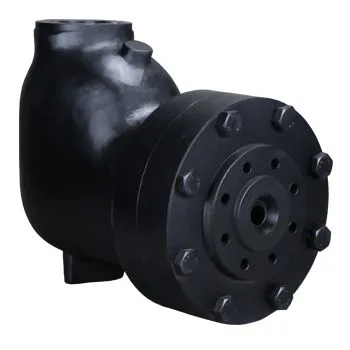
Lever Float Steam Trap Manufacturer in China | High Efficiency Steam TrapNegotiableMOQ: 1 Piece
-
Lever Float Steam Trap for Steam Heating SystemsNegotiableMOQ: 1 Piece
-
Stainless Steel Lever Float Steam Trap With Thermostatic Air VentNegotiableMOQ: 1 Piece
-
Industrial Lever Float Steam Trap for Heat ExchangersNegotiableMOQ: 1 Piece
-
PN16 PN25 PN40 Lever Float Steam Trap SupplierNegotiableMOQ: 1 Piece
-
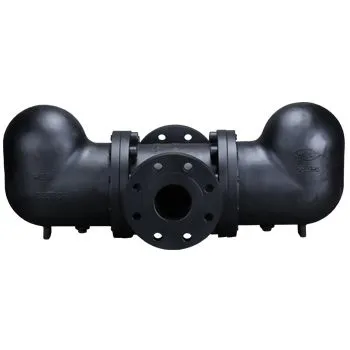
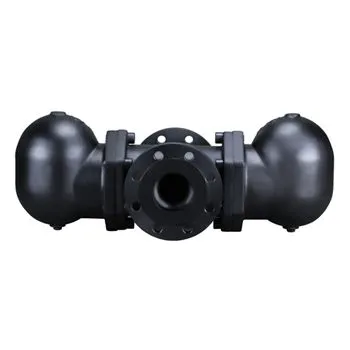
Heavy Duty Lever Float Steam Trap for Process Steam ApplicationsNegotiableMOQ: 1 Piece
-
Lever Float Steam Trap With Continuous Condensate DischargeNegotiableMOQ: 1 Piece
-
OEM Lever Float Steam Trap Factory With 45+ Years ExperienceNegotiableMOQ: 1 Piece
-
OEM Lever Float Steam Trap Factory With 45+ Years ExperienceNegotiableMOQ: 1 Piece
-
Flanged and Threaded Lever Float Steam Trap for Industrial BoilersNegotiableMOQ: 1 Piece
-
High Capacity Lever Float Steam Trap for Marine and Industrial ApplicationsNegotiableMOQ: 1 Piece