Business License

Lever Ball Float Steam Trap: Working Principle, Advantages, and Applications
What Is a Lever Ball Float Steam Trap?
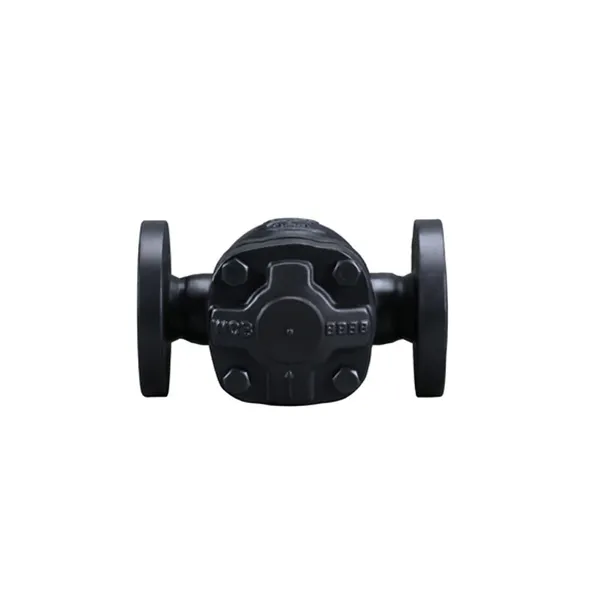
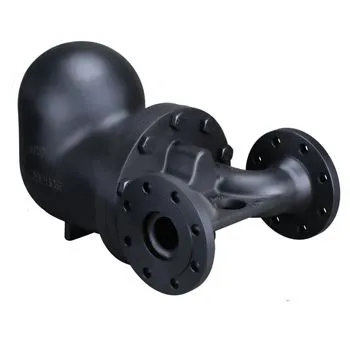
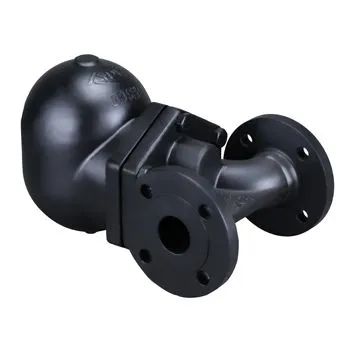
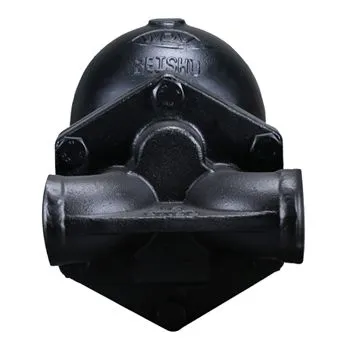
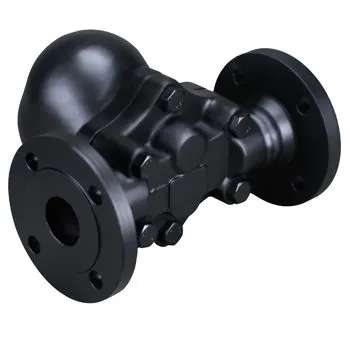
A Lever Ball Float Steam Trap is a mechanical steam trap designed to automatically discharge condensate, air, and other non-condensable gases from steam systems while preventing the loss of live steam.
Unlike thermodynamic or thermostatic steam traps, the lever ball float steam trap operates continuously and responds directly to changes in condensate levels. This makes it one of the most efficient solutions for applications requiring immediate condensate removal and stable heat transfer performance.
Because of its excellent energy-saving capabilities and reliable operation, the lever ball float steam trap is widely used in heat exchangers, steam tracing systems, food processing plants, pharmaceutical facilities, textile mills, and chemical industries.
How Does a Lever Ball Float Steam Trap Work?
The lever ball float steam trap works based on the principle of buoyancy.
As condensate enters the trap body, the liquid level rises and causes the stainless steel float ball to move upward. The float is connected to a lever mechanism, which opens the valve seat and allows condensate to discharge continuously.
When the condensate level drops, the float ball descends, causing the valve to close and preventing live steam from escaping.
This automatic operation ensures:
Continuous condensate removal
Zero condensate backup
Minimal steam loss
Stable system efficiency
In addition, a built-in automatic air vent eliminates non-condensable gases during startup and operation, preventing air binding and steam locking.
Single Valve Seat vs. Double Balanced Valve Seat
Single Valve Seat Design
The single valve seat structure is ideal for:
Steam tracing lines
Small heat exchangers
Steam main pipelines
Low condensate loads
Key features include:
Horizontal or vertical installation
Excellent sealing performance
Suitable for high back-pressure systems
Stable operation under varying condensate loads
The valve seat is positioned below the condensate level, creating a water seal that effectively prevents live steam leakage.
Double Balanced Valve Seat Design
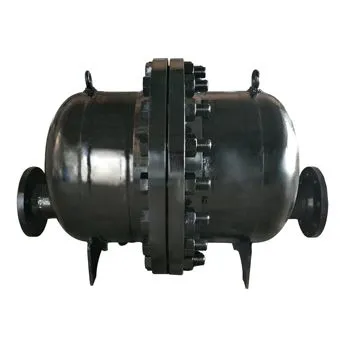
For high-capacity applications, the double balanced valve seat offers superior performance.
This design uses two valve openings arranged so that steam pressure acts equally in opposite directions, significantly reducing operating force.
Advantages include:
Higher condensate discharge capacity
Smaller valve size
Lower operating load
Excellent performance under fluctuating pressure conditions
This design is especially suitable for large heat exchangers and industrial process equipment requiring substantial condensate removal.
Key Advantages of Lever Ball Float Steam Traps
1. Continuous Condensate Discharge
The trap discharges condensate immediately as it forms without waiting for temperature changes.
Benefits include:
Faster heat transfer
Improved production efficiency
Reduced equipment corrosion
2. Near-Zero Steam Leakage
The advanced SCCV sealing structure and water-seal design provide excellent tightness.
Leakage rate:
Approximately 0%
This helps maximize steam utilization and reduce energy costs.
3. Automatic Air Venting
The integrated thermostatic air vent automatically removes air and non-condensable gases during startup.
Benefits:
Faster system warm-up
Improved heating performance
Prevention of air locking
4. High Durability
Main components are manufactured from:
Cast Steel
Stainless Steel
304 Stainless Steel Float
STL Alloy Valve Components
These materials ensure long service life under harsh operating conditions.
5. Easy Maintenance
All internal components are mounted on the valve cover.
Maintenance can be performed without removing the trap from the pipeline, significantly reducing downtime and labor costs.
Technical Performance
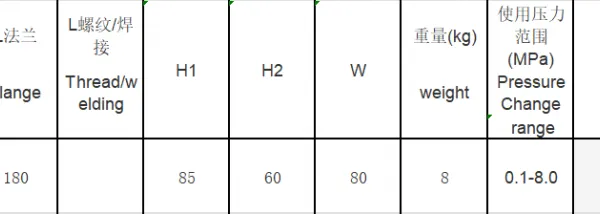
| Parameter | Value |
|---|---|
| Maximum Working Pressure Differential | 10 MPa |
| Maximum Temperature | 420°C |
| Minimum Subcooling | 0°C |
| Air Venting | Automatic |
| Steam Leakage | Approximately 0% |
| Back Pressure Tolerance | ≥90% |
| Drainage Method | Continuous |
| Energy Saving Performance | Excellent |
Typical Applications
Lever ball float steam traps are widely used in:
Heat Exchangers
Continuous condensate removal maintains maximum heat transfer efficiency.
Food & Beverage Industry
Ensures stable heating temperatures and hygienic operation.
Pharmaceutical Plants
Provides reliable condensate drainage in clean steam systems.
Textile Industry
Improves steam utilization and production consistency.
Chemical Processing
Handles large condensate loads under varying operating pressures.
Steam Tracing Systems
Protects pipelines against condensate accumulation and water hammer.
Why Is a Lever Ball Float Steam Trap More Energy Efficient?
Many steam systems lose energy because condensate accumulates inside equipment or because steam traps leak live steam.
A lever ball float steam trap solves both problems by:
Discharging condensate continuously
Preventing steam loss
Automatically removing air
Maintaining optimum heat transfer
As a result, plants can achieve significant reductions in steam consumption and operating costs.
How to Select the Right Lever Ball Float Steam Trap
When choosing a steam trap, engineers should provide:
Operating pressure
Differential pressure
Condensate load
Operating temperature
Connection type
Applicable standards
Proper sizing ensures maximum efficiency and extends equipment life.
Conclusion
The Lever Ball Float Steam Trap is one of the most reliable and energy-efficient solutions for continuous condensate drainage in industrial steam systems.
With its excellent sealing performance, automatic air venting, continuous discharge capability, and durable construction, it delivers superior performance in a wide range of applications.
Whether you are operating a heat exchanger, steam tracing network, pharmaceutical plant, or food processing facility, a properly selected lever ball float steam trap can significantly improve system efficiency while reducing energy consumption.
Request a Free Steam Trap Selection
Not sure which steam trap is suitable for your application?
Send us your operating pressure, temperature, condensate load, and connection requirements.
Our engineers will provide:
✓ Free Steam Trap Selection
✓ Free Technical Consultation
✓ Factory Direct Pricing
✓ Fast Worldwide Delivery
Contact us today and receive a professional recommendation within 24 hours.
Recently Posted
-
How to Choose the Right Steam Trap for Your Application
July 31, 2026IntroductionChoosing the correct steam trap is one of the most important decisions in designing or maintaining an efficient steam Read More
 -
Why Do Customers Still Buy Chinese Steam Traps?
July 31, 2026In today's global industrial market, buyers have access to some of the world's most recognized steam trap brands, includin Read More
 -
High-Quality Steam Traps from Qiaofa Machinery – Efficient and Durable Solutions
July 31, 2026Introduction to Steam Traps and Their ImportanceSteam traps are essential components in any steam system, serving the critical fun Read More
 -
Steam Trap Material Selection Guide: How to Choose the Right Material for Your Steam System
July 29, 2026IntroductionChoosing the correct steam trap material is just as important as selecting the right steam trap type. A steam trap ins Read More

Contact Us
Recommended Products
-
 Capsule-Type Steam Trap Forged SteelNegotiableMOQ: 1 Piece
 -
OEM Thermostatic Bellows Steam TrapNegotiableMOQ: 1 Piece
-
Bellows Steam Trap Manufacturer | Industrial Thermostatic Steam Traps SupplierNegotiableMOQ: 1 Piece
-
Industrial Thermostatic Steam Trap With Stainless Steel Bellows – ManufacturerNegotiableMOQ: 1 Piece
-
Thermostatic Bellows Steam Trap | Stainless Steel for Steam Tracing SystemsNegotiableMOQ: 1 Piece
-
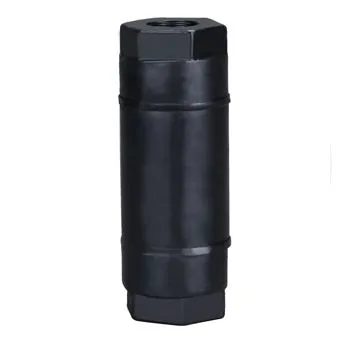
TD42 Thermodynamic Disc Steam Trap for RefineryNegotiableMOQ: 1 Piece
-
PN16–PN63 Disc Type Steam Trap | Threaded, Flanged & Socket Weld ConnectionsNegotiableMOQ: 1 Piece
-
TD42 Disc Type Steam Trap – Thermodynamic Steam Trap Manufacturer & Supplier in ChinaNegotiableMOQ: 1 Piece
-
TD42 Thermodynamic Disc Steam Trap for RefineryNegotiableMOQ: 1 Piece
-
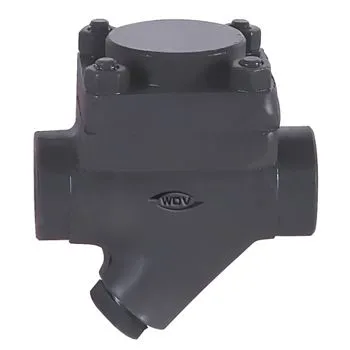
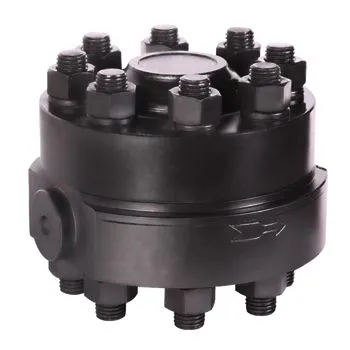
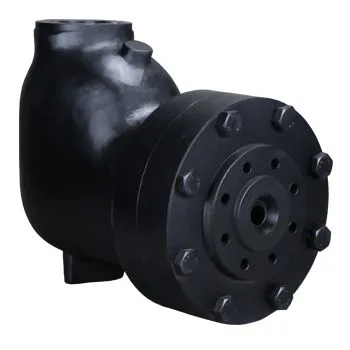
Lever Float Steam Trap Manufacturer in China | High Efficiency Steam TrapNegotiableMOQ: 1 Piece
-
Lever Float Steam Trap for Steam Heating SystemsNegotiableMOQ: 1 Piece
-
Stainless Steel Lever Float Steam Trap With Thermostatic Air VentNegotiableMOQ: 1 Piece
-
Industrial Lever Float Steam Trap for Heat ExchangersNegotiableMOQ: 1 Piece
-
PN16 PN25 PN40 Lever Float Steam Trap SupplierNegotiableMOQ: 1 Piece
-
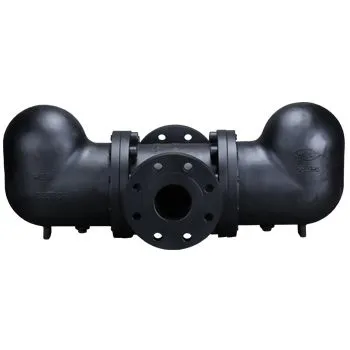
Heavy Duty Lever Float Steam Trap for Process Steam ApplicationsNegotiableMOQ: 1 Piece
-
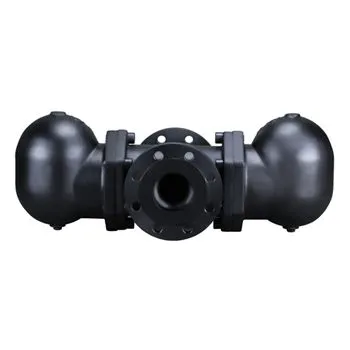
Lever Float Steam Trap With Continuous Condensate DischargeNegotiableMOQ: 1 Piece
-
OEM Lever Float Steam Trap Factory With 45+ Years ExperienceNegotiableMOQ: 1 Piece
-
OEM Lever Float Steam Trap Factory With 45+ Years ExperienceNegotiableMOQ: 1 Piece
-
Flanged and Threaded Lever Float Steam Trap for Industrial BoilersNegotiableMOQ: 1 Piece
-
High Capacity Lever Float Steam Trap for Marine and Industrial ApplicationsNegotiableMOQ: 1 Piece