Business License

Steam Trap Installation Orientation: Which Way Is Correct?
Introduction
A steam trap is a small device with a big job: discharge condensate while keeping steam in the system. But even the most expensive, high-quality steam trap will fail if you install it in the wrong orientation.
In this guide, we’ll cover the correct installation direction and position for the three main types of steam traps, and explain why orientation matters for reliability and energy efficiency.
The #1 Rule: Follow the Flow Arrow
Every steam trap has a flow arrow stamped or cast on the body. This arrow must point in the direction of condensate flow.
Installing the trap backward — even by accident — makes the valve mechanism work in reverse. The result:
The trap won’t open to discharge condensate
Or it stays open and blows live steam
System performance drops, and energy costs rise
Always double-check the arrow before tightening the last joint.
Orientation Requirements by Trap Type
Not all traps are the same. The required mounting angle depends entirely on the internal mechanism.
Float & Thermostatic (F&T) Traps – Must Be Horizontal
F&T traps rely on a floating ball that rises and falls with the condensate level.
Required orientation: Horizontal (upright)
Why: If tilted or inverted, the float mechanism jams, and the trap either floods or blows steam
Best practice: Install on a horizontal pipe with the cover facing up
Inverted Bucket Traps – Also Horizontal
These traps use a bucket that flips to open and close the valve.
Required orientation: Horizontal
Why: The bucket needs gravity to work correctly. Any tilt changes the operating cycle
Note: Some models allow vertical installation, but always check the manufacturer’s drawing
Thermostatic Traps – More Flexible, but Not Inverted
Bimetallic and balanced-pressure thermostatic traps respond to temperature changes.
Allowed orientations: Horizontal or vertical
Critical restriction: Never install them upside down (head down)
Why: The sensing element must be fully immersed in condensate to measure temperature accurately
Thermodynamic (Disc) Traps – Most Flexible
Disc-type traps operate on flash steam dynamics.
Allowed orientations: Any direction — horizontal, vertical, or even at an angle
Best practice: Horizontal installation gives the longest service life by reducing disc wear
Caution: Performance is acceptable in any position, but follow the flow arrow strictly
5 Other Installation Rules to Follow
Getting the direction right is only half the job. These five practices ensure long-term reliability:
Install at the lowest point – Place the trap at the lowest outlet of the equipment so condensate flows downward by gravity.
Keep it close – Position the trap within 0.5–1 meter of the protected equipment to avoid condensate backing up in the pipe.
Blow down the line first – Before installing, blow steam through the piping to remove weld slag and debris.
Install a strainer – Always fit a Y-strainer upstream of the trap to protect internal parts from dirt.
Add isolation valves – Install stop valves before and after the trap to allow maintenance without shutting down the entire system.
Signs You Installed It Wrong
Still unsure? Watch for these symptoms right after startup:
Continuous steam blowing – The trap never closes
No condensate discharged – Water hammers or uneven heating in the equipment
Frequent valve cycling – The trap opens and closes more often than normal
If you see any of these, shut down the system, check the flow arrow, and verify the trap’s physical orientation.
Conclusion
Correct steam trap orientation is not a suggestion — it’s a requirement. A trap installed in the wrong position wastes steam, damages equipment, and shortens valve life.
The quick checklist:
Match the flow arrow to condensate direction
Install F&T and inverted bucket traps horizontally
Install thermostatic traps upright (never inverted)
Thermodynamic traps work in any position, but horizontal is best
When in doubt, always refer to the manufacturer’s installation manual. A few extra minutes during installation save years of trouble.
Got a steam system question? Drop it in the comments below.
✅ SEO Tips for This Post (to help with Google ranking):
| Element | Action |
|---|---|
| Primary keyword | "steam trap installation orientation" (used in title & H2) |
| Secondary keywords | "F&T trap horizontal installation", "thermodynamic disc trap position", "steam trap flow direction" |
| Internal link | Link to a related post like "How to Size a Steam Trap" |
| External link | Link to a reputable standard (e.g., ISO or ASME steam system guidelines) |
| Readability | Short paragraphs, bullet points, and clear H2/H3 headings |
| Image alt text | Add a diagram with alt text: "steam trap flow arrow direction example" |
Recently Posted
-
How to Choose the Right Steam Trap for Your Application
July 31, 2026IntroductionChoosing the correct steam trap is one of the most important decisions in designing or maintaining an efficient steam Read More
 -
Why Do Customers Still Buy Chinese Steam Traps?
July 31, 2026In today's global industrial market, buyers have access to some of the world's most recognized steam trap brands, includin Read More
 -
High-Quality Steam Traps from Qiaofa Machinery – Efficient and Durable Solutions
July 31, 2026Introduction to Steam Traps and Their ImportanceSteam traps are essential components in any steam system, serving the critical fun Read More
 -
Steam Trap Material Selection Guide: How to Choose the Right Material for Your Steam System
July 29, 2026IntroductionChoosing the correct steam trap material is just as important as selecting the right steam trap type. A steam trap ins Read More

Contact Us
Recommended Products
-
 Capsule-Type Steam Trap Forged SteelNegotiableMOQ: 1 Piece
 -
OEM Thermostatic Bellows Steam TrapNegotiableMOQ: 1 Piece
-
Bellows Steam Trap Manufacturer | Industrial Thermostatic Steam Traps SupplierNegotiableMOQ: 1 Piece
-
Industrial Thermostatic Steam Trap With Stainless Steel Bellows – ManufacturerNegotiableMOQ: 1 Piece
-
Thermostatic Bellows Steam Trap | Stainless Steel for Steam Tracing SystemsNegotiableMOQ: 1 Piece
-
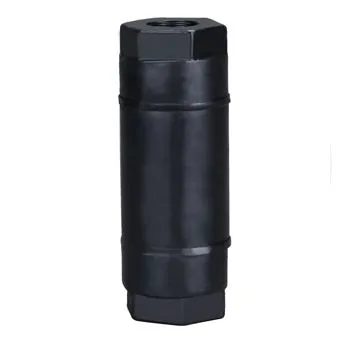
TD42 Thermodynamic Disc Steam Trap for RefineryNegotiableMOQ: 1 Piece
-
PN16–PN63 Disc Type Steam Trap | Threaded, Flanged & Socket Weld ConnectionsNegotiableMOQ: 1 Piece
-
TD42 Disc Type Steam Trap – Thermodynamic Steam Trap Manufacturer & Supplier in ChinaNegotiableMOQ: 1 Piece
-
TD42 Thermodynamic Disc Steam Trap for RefineryNegotiableMOQ: 1 Piece
-
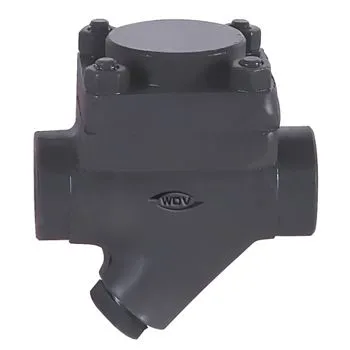
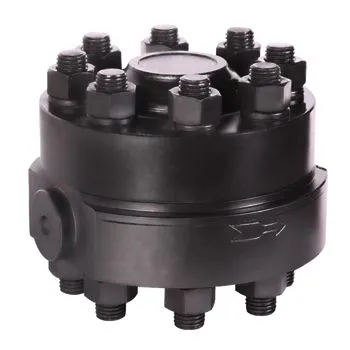
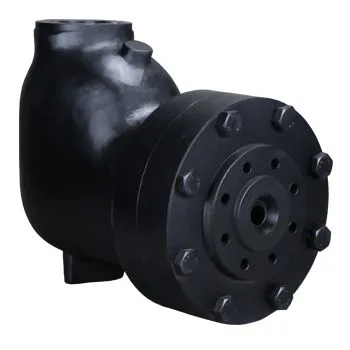
Lever Float Steam Trap Manufacturer in China | High Efficiency Steam TrapNegotiableMOQ: 1 Piece
-
Lever Float Steam Trap for Steam Heating SystemsNegotiableMOQ: 1 Piece
-
Stainless Steel Lever Float Steam Trap With Thermostatic Air VentNegotiableMOQ: 1 Piece
-
Industrial Lever Float Steam Trap for Heat ExchangersNegotiableMOQ: 1 Piece
-
PN16 PN25 PN40 Lever Float Steam Trap SupplierNegotiableMOQ: 1 Piece
-
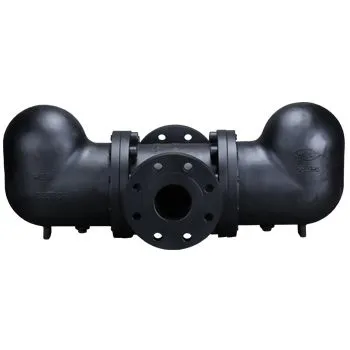
Heavy Duty Lever Float Steam Trap for Process Steam ApplicationsNegotiableMOQ: 1 Piece
-
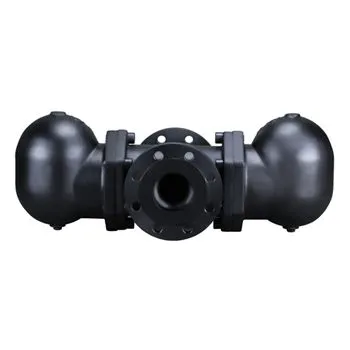
Lever Float Steam Trap With Continuous Condensate DischargeNegotiableMOQ: 1 Piece
-
OEM Lever Float Steam Trap Factory With 45+ Years ExperienceNegotiableMOQ: 1 Piece
-
OEM Lever Float Steam Trap Factory With 45+ Years ExperienceNegotiableMOQ: 1 Piece
-
Flanged and Threaded Lever Float Steam Trap for Industrial BoilersNegotiableMOQ: 1 Piece
-
High Capacity Lever Float Steam Trap for Marine and Industrial ApplicationsNegotiableMOQ: 1 Piece