Business License

Steam Trap Testing: How to Improve Steam System Efficiency
Introduction
Steam is widely used in industries such as chemical processing, food and beverage, pharmaceuticals, power generation, textiles, and marine applications. A well-designed steam system can provide reliable heat transfer and high energy efficiency. However, even a small number of failed steam traps can lead to significant energy losses, increased operating costs, and unstable production processes.
Steam trap testing is an essential maintenance activity that helps identify failed traps, prevent steam leakage, and improve the overall efficiency of a steam distribution system.
What Is a Steam Trap?
A steam trap is an automatic valve designed to discharge condensate, air, and other non-condensable gases from a steam system while preventing the loss of live steam.
During steam operation, heat transfer causes steam to condense into water. If condensate is not removed effectively, it can cause problems such as:
Reduced heat transfer efficiency
Water hammer
Corrosion of pipelines and equipment
Unstable process temperatures
Increased energy consumption
A properly functioning steam trap ensures that only condensate is removed while valuable steam remains inside the system.
Why Is Steam Trap Testing Important?
Steam traps operate continuously under high temperature and pressure conditions. Over time, internal components may wear out, become blocked, or fail due to incorrect installation and operating conditions.
Regular steam trap testing helps companies:
1. Reduce Energy Loss
A failed open steam trap can continuously discharge live steam into the condensate return system. This wasted steam represents a direct financial loss.
By identifying leaking steam traps early, companies can significantly reduce fuel consumption and improve boiler efficiency.
2. Improve System Performance
A malfunctioning steam trap may not remove condensate effectively, causing poor heating performance and temperature fluctuations.
Testing ensures that each steam trap works according to its design requirements and maintains stable process conditions.
3. Extend Equipment Life
Accumulated condensate can cause corrosion, vibration, and water hammer. These problems may damage pipelines, heat exchangers, and production equipment.
Regular inspection and testing help prevent unexpected failures and extend the service life of steam system components.
Common Steam Trap Failure Modes
Understanding common failure types is important for effective testing.
1. Steam Trap Failure in Open Position
When a steam trap fails open, live steam continuously escapes. This is one of the most expensive failure modes because energy is wasted.
Typical causes include:
Damaged valve seat
Worn internal parts
Dirt or foreign particles
Incorrect sizing
2. Steam Trap Failure in Closed Position
When a steam trap fails closed, condensate cannot be discharged properly.
Possible results include:
Reduced heat transfer
Water hammer
Equipment damage
Production delays
3. Partial Blockage
Dirt, rust, or scale inside the pipeline can restrict condensate flow and reduce trap performance.
Methods of Steam Trap Testing
Different testing methods can be used depending on the application and operating conditions.
1. Temperature Testing
Temperature measurement is one of the simplest methods for checking steam traps.
By comparing the temperature difference between the inlet and outlet sides, technicians can identify abnormal operating conditions.
Advantages:
Simple operation
Low equipment cost
Suitable for routine inspection
However, temperature testing alone may not always accurately distinguish between a working trap and a leaking trap.
2. Ultrasonic Testing
Ultrasonic testing is one of the most widely used modern inspection methods.
A handheld ultrasonic detector can identify the sound characteristics of steam flow and condensate discharge.
Advantages:
High accuracy
Suitable for large steam systems
Can detect steam leakage quickly
This method is commonly used in industrial energy-saving programs.
3. Visual Inspection
Visual inspection includes checking:
Leakage signs
Corrosion
Installation condition
Abnormal noise
Drainage performance
Although simple, visual inspection should be combined with other testing methods for better accuracy.
4. Electronic Steam Trap Monitoring
Advanced monitoring systems can continuously track steam trap performance.
These systems can provide:
Real-time operating data
Failure alarms
Maintenance records
Energy loss analysis
They are especially suitable for large factories and critical steam applications.
Best Practices for Steam Trap Testing
To achieve maximum efficiency, companies should establish a regular steam trap management program.
Recommended practices include:
Create a Steam Trap Survey List
Record important information such as:
Trap location
Trap type
Model number
Operating pressure
Application equipment
Inspection date
Test Steam Traps Regularly
The testing frequency depends on operating conditions. High-temperature and high-pressure systems usually require more frequent inspections.
Replace Failed Steam Traps Quickly
A leaking steam trap may waste a large amount of energy over time. Prompt replacement reduces unnecessary operating costs.
Select the Correct Steam Trap Type
Different applications require different steam trap designs:
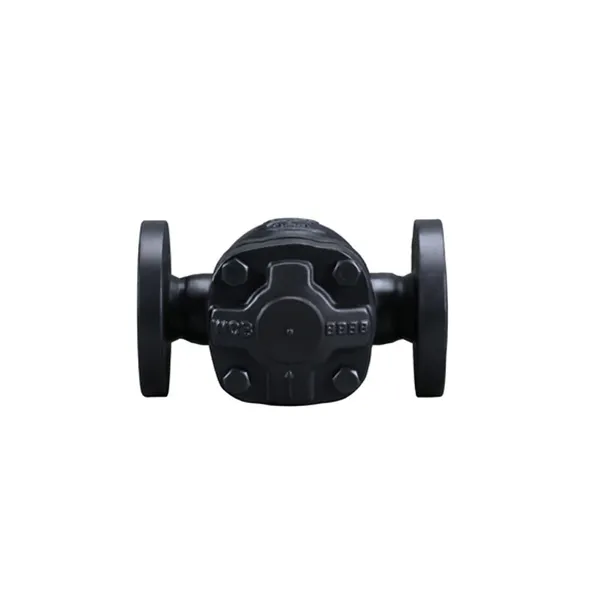
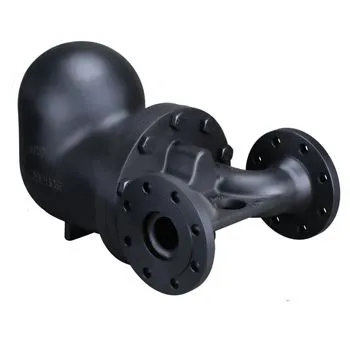
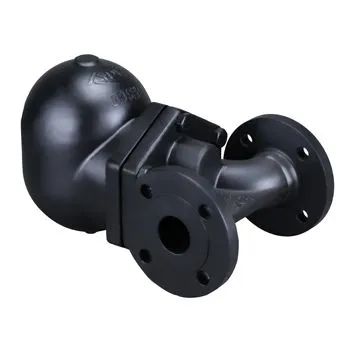
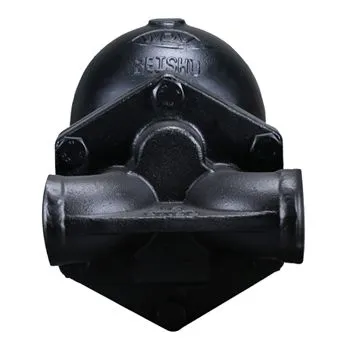
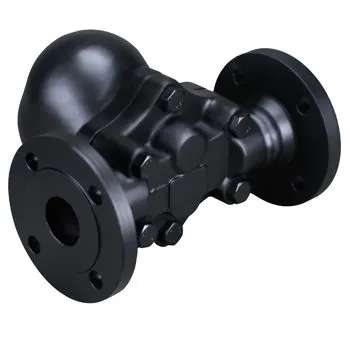
Float & Thermostatic Steam Trap: Suitable for heat exchangers and process equipment requiring continuous condensate discharge.
Thermodynamic Steam Trap: Commonly used for high-pressure steam systems.
Thermostatic Steam Trap: Suitable for air removal and temperature-controlled applications.
Inverted Bucket Steam Trap: Used in many industrial steam systems where durability is required.
Correct selection improves reliability and efficiency.
The Relationship Between Steam Trap Testing and Energy Saving
Steam trap testing is not only a maintenance activity; it is also an important energy management strategy.
A large industrial facility may have hundreds or thousands of steam traps. Even a small percentage of failed traps can result in significant steam losses.
By implementing regular testing programs, companies can:
Reduce fuel consumption
Lower carbon emissions
Improve production efficiency
Reduce maintenance costs
Conclusion
Steam trap testing plays a critical role in maintaining an efficient and reliable steam system. Regular inspection helps detect failures, prevent steam losses, protect equipment, and reduce energy costs.
For industries that depend on steam, a professional steam trap testing program is one of the most effective ways to improve operational efficiency and achieve long-term energy savings.
Choosing high-quality steam traps from an experienced manufacturer, combined with proper installation and regular testing, ensures a safer, more efficient, and more sustainable steam system.
Recently Posted
-
How to Choose the Right Steam Trap for Your Application
July 31, 2026IntroductionChoosing the correct steam trap is one of the most important decisions in designing or maintaining an efficient steam Read More
 -
Why Do Customers Still Buy Chinese Steam Traps?
July 31, 2026In today's global industrial market, buyers have access to some of the world's most recognized steam trap brands, includin Read More
 -
High-Quality Steam Traps from Qiaofa Machinery – Efficient and Durable Solutions
July 31, 2026Introduction to Steam Traps and Their ImportanceSteam traps are essential components in any steam system, serving the critical fun Read More
 -
Steam Trap Material Selection Guide: How to Choose the Right Material for Your Steam System
July 29, 2026IntroductionChoosing the correct steam trap material is just as important as selecting the right steam trap type. A steam trap ins Read More

Contact Us
Recommended Products
-
 Capsule-Type Steam Trap Forged SteelNegotiableMOQ: 1 Piece
 -
OEM Thermostatic Bellows Steam TrapNegotiableMOQ: 1 Piece
-
Bellows Steam Trap Manufacturer | Industrial Thermostatic Steam Traps SupplierNegotiableMOQ: 1 Piece
-
Industrial Thermostatic Steam Trap With Stainless Steel Bellows – ManufacturerNegotiableMOQ: 1 Piece
-
Thermostatic Bellows Steam Trap | Stainless Steel for Steam Tracing SystemsNegotiableMOQ: 1 Piece
-
TD42 Thermodynamic Disc Steam Trap for RefineryNegotiableMOQ: 1 Piece
-
PN16–PN63 Disc Type Steam Trap | Threaded, Flanged & Socket Weld ConnectionsNegotiableMOQ: 1 Piece
-
TD42 Disc Type Steam Trap – Thermodynamic Steam Trap Manufacturer & Supplier in ChinaNegotiableMOQ: 1 Piece
-
TD42 Thermodynamic Disc Steam Trap for RefineryNegotiableMOQ: 1 Piece
-
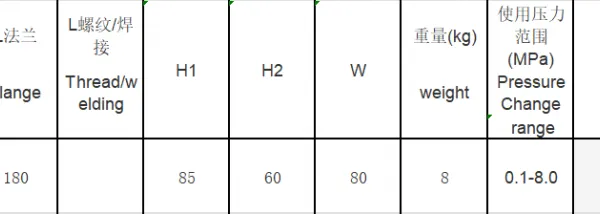
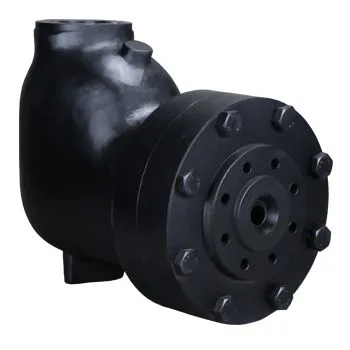
Lever Float Steam Trap Manufacturer in China | High Efficiency Steam TrapNegotiableMOQ: 1 Piece
-
Lever Float Steam Trap for Steam Heating SystemsNegotiableMOQ: 1 Piece
-
Stainless Steel Lever Float Steam Trap With Thermostatic Air VentNegotiableMOQ: 1 Piece
-
Industrial Lever Float Steam Trap for Heat ExchangersNegotiableMOQ: 1 Piece
-
PN16 PN25 PN40 Lever Float Steam Trap SupplierNegotiableMOQ: 1 Piece
-
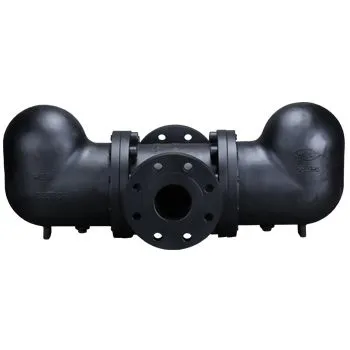
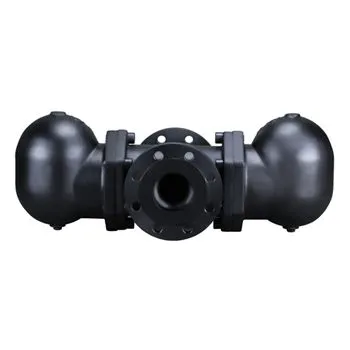
Heavy Duty Lever Float Steam Trap for Process Steam ApplicationsNegotiableMOQ: 1 Piece
-
Lever Float Steam Trap With Continuous Condensate DischargeNegotiableMOQ: 1 Piece
-
OEM Lever Float Steam Trap Factory With 45+ Years ExperienceNegotiableMOQ: 1 Piece
-
OEM Lever Float Steam Trap Factory With 45+ Years ExperienceNegotiableMOQ: 1 Piece
-
Flanged and Threaded Lever Float Steam Trap for Industrial BoilersNegotiableMOQ: 1 Piece
-
High Capacity Lever Float Steam Trap for Marine and Industrial ApplicationsNegotiableMOQ: 1 Piece