Business License

Steam Traps: Efficient Condensate Removal Solutions
In any steam system, the ability to efficiently remove condensate while preventing steam loss is critical to operational performance and energy conservation. A steam trap serves as the backbone of this process, acting as a self-contained automatic valve that discharges condensate and non-condensable gases without releasing live steam. Qiaofa Machinery Co., Ltd. has established itself as a leading manufacturer in this field, delivering high-efficiency steam traps that optimize heat transfer, reduce fuel consumption, and extend equipment life. Whether you operate in petrochemical processing, food production, or textile manufacturing, selecting the right steam trap can have a direct impact on your bottom line. This article provides a comprehensive overview of Qiaofa steam traps, explaining their function, advantages, and the various types available to meet industrial demands. By understanding how these devices work and why Qiaofa’s engineering stands out, businesses can make informed decisions that enhance productivity and sustainability.
Understanding the Steam Trap and Its Role in Steam Systems
A steam trap is an automatic valve designed to remove condensate (the liquid that forms when steam loses its latent heat) and purge non-condensable gases like air and carbon dioxide from steam lines. Its primary function is to trap steam inside the system until the steam has given up its latent heat to the process, then open to discharge the condensate. Without a properly functioning trap, condensate accumulates, leading to water hammer, reduced heat transfer efficiency, and potential damage to piping and equipment. Qiaofa Machinery manufactures steam traps that respond precisely to load changes, ensuring that no live steam escapes during the discharge cycle. This self-contained operation differentiates Qiaofa traps from manual drain valves, which require constant operator attention and cannot respond to fluctuating system pressures. For industries that rely on consistent steam quality, the steam trap is not a peripheral component but a core element of energy management.
The mechanism behind a steam trap involves sensing the difference in temperature, density, or phase between steam and condensate. When condensate forms, the trap opens; when steam reaches the trap, it closes. This automatic cycling maintains system efficiency and protects downstream equipment. Qiaofa’s designs incorporate precision-machined components and high-grade materials to ensure reliable operation under varying load conditions. A typical application is a jacketed kettle, where a Qiaofa trap installed at the outlet continuously removes condensate, allowing the kettle to maintain consistent temperatures for cooking or chemical reactions. In such settings, the trap directly influences product quality and energy consumption. By investing in a quality steam trap, facilities reduce the risk of steam lock, corrosion, and scaling, all of which degrade performance over time. Qiaofa’s engineering team applies decades of experience to optimize trap selection for each unique process, maximizing the return on steam system investments.
Why Qiaofa Steam Traps Are Essential for Process Efficiency
Steam carries a large amount of latent heat, which is released when it condenses on heat transfer surfaces. To fully utilize this energy, condensate must be removed as quickly as it forms. If condensate lingers, it creates a barrier between the steam and the surface, significantly reducing heat transfer rates. Qiaofa steam traps are engineered to discharge condensate the moment it accumulates, keeping heat transfer surfaces clean and efficient. This rapid removal is especially vital in processes such as drying, distillation, and sterilization, where temperature control directly affects product yield and safety. In a jacketed kettle application, for example, a Qiaofa trap ensures that the jacket remains filled with steam rather than condensate, allowing the kettle to reach set-point temperatures faster and maintain them with less energy input.
Beyond immediate heat transfer benefits, Qiaofa steam traps contribute to overall system stability. When condensate is promptly expelled, pressure fluctuations are minimized, and steam distribution remains uniform across multiple users. This prevents the phenomenon of water logging, where low points in the piping fill with condensate and block steam flow. Additionally, by removing non-condensable gases, Qiaofa traps reduce the partial pressure of air inside the system, which improves steam temperature and accelerates warm-up times. The company’s focus on material science means that internal parts resist erosion and corrosion, even in aggressive environments. Users report fewer unplanned shutdowns and lower maintenance costs after switching to Qiaofa traps. When you combine these operational gains with the energy savings from eliminated steam loss, the case for using Qiaofa steam traps becomes compelling for any industrial facility.
Another critical advantage of Qiaofa steam traps is their ability to handle load fluctuations automatically. In real-world production, steam demand varies as machines cycle on and off, batch processes change, and ambient conditions shift. Manual valves cannot adapt to these changes without operator intervention, leading to either condensate backup or steam waste. Qiaofa traps, by contrast, modulate their discharge based on the actual condensate load, providing a self-regulating solution that keeps the system balanced. This automatic operation reduces the need for constant supervision and allows maintenance teams to focus on other priorities. Over the life of a system, the energy and labor savings from installing Qiaofa traps can be substantial, often paying back the initial investment within months.
Manual Valves Versus Qiaofa Steam Traps
Many older facilities still rely on manual drain valves to remove condensate, a practice that comes with significant drawbacks. Manual valves require an operator to open and close them periodically, which is labor-intensive and inconsistent. If the valve is left open too long, live steam escapes, wasting energy and increasing boiler load. If it is closed too soon, condensate builds up, causing water hammer and reducing heat transfer. Manual valves cannot adjust to changing load conditions, so they either waste steam or fail to drain adequately. In contrast, Qiaofa steam traps respond automatically in real time, opening only when condensate is present and closing immediately when steam arrives. This precise control eliminates the guesswork and variability inherent in manual operation.
From a safety perspective, manual valves also pose risks. Water hammer caused by inadequate condensate removal can rupture pipes, damage fittings, and injure personnel. The automatic action of a Qiaofa trap mitigates these hazards by maintaining proper drainage at all times. Furthermore, manual valves do not differentiate between condensate and non-condensable gases, so air and CO₂ remain in the system, promoting corrosion and reducing steam temperature. Qiaofa traps are designed to vent these gases during startup and normal operation, preserving system integrity. When evaluating total cost of ownership, manual valves may seem cheaper initially, but the ongoing losses from steam waste, maintenance, and reduced efficiency make them far more expensive over time. Replacing manual drains with Qiaofa steam traps is one of the quickest and most effective energy conservation measures available to industrial plants.
Types of Qiaofa Steam Traps
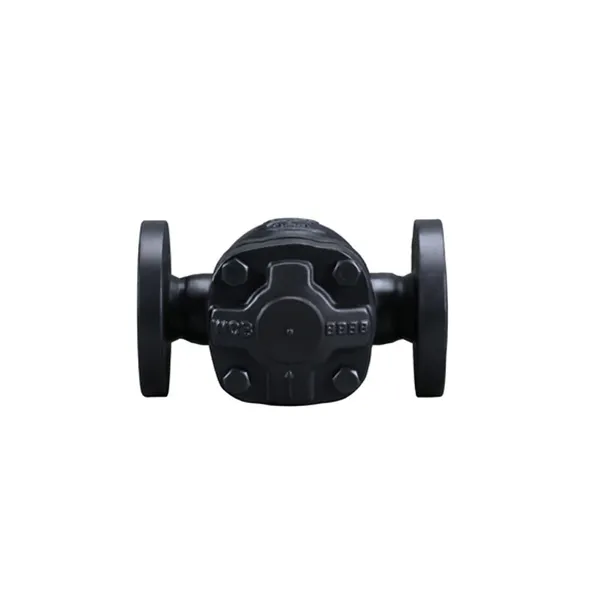
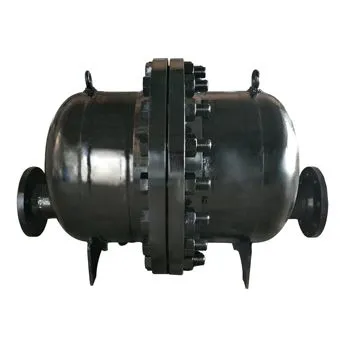
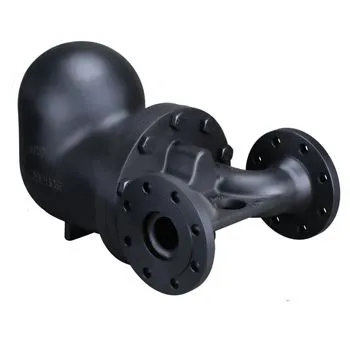
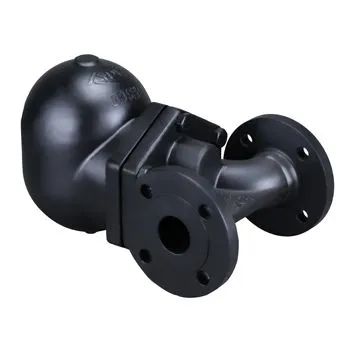
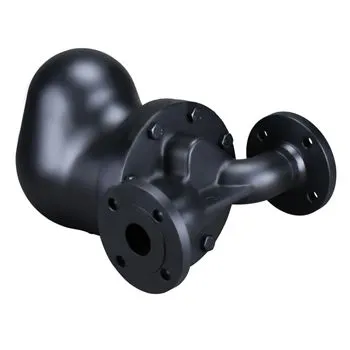
Qiaofa Machinery offers three main categories of steam traps: mechanical, thermostatic, and thermodynamic. Each type uses a different sensing principle and is best suited for specific operating conditions. Mechanical traps, also known as density-operated traps, rely on a float or inverted bucket mechanism to sense the difference in density between steam and condensate. As condensate collects, the float rises and opens the discharge valve. These traps provide continuous, modulating discharge and are ideal for processes with heavy condensate loads, such as heat exchangers and jacketed vessels. Qiaofa’s mechanical steam trap models are built with durable internals that resist wear, ensuring long service life even in dirty steam environments.
Thermostatic steam traps operate on temperature difference. They use a bimetallic element or a liquid-filled bellows that expands when condensate cools below a set point, opening the valve. Because they respond to temperature rather than liquid level, thermostatic traps are excellent for superheated steam applications and for venting air during startup. They are also compact and cost-effective for tracer lines and small heating units. Qiaofa’s thermostatic line includes the FT14 series, a popular thermodynamic steam trap that combines reliability with energy efficiency. The FT14 uses a disc or lever mechanism to discharge condensate at a preset subcooled temperature, preventing steam loss while ensuring rapid removal of condensate and air. This model is widely used in steam mains, drip legs, and instrumentation heating.
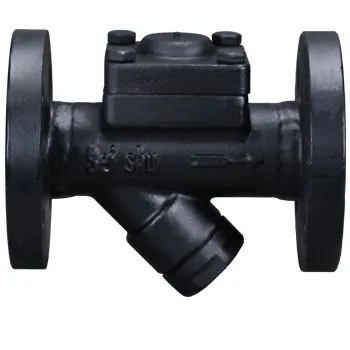
Thermodynamic steam traps, including the disc trap type, rely on the kinetic energy of flash steam to open and close a disc valve. When condensate enters the trap, the disc lifts and allows discharge. As steam reaches the trap, flash steam velocity increases, creating a pressure drop that snaps the disc closed. These traps are simple, robust, and can handle high pressures and temperatures. They are particularly suited for outdoor or harsh environments because they are freeze-proof and have few moving parts. Qiaofa’s thermodynamic traps are manufactured with hardened seats and discs to resist wire drawing and erosion. Across all trap types, Qiaofa offers sizing and selection support to ensure the right match for pressure, temperature, and condensate load, optimizing both performance and energy consumption.
Qiaofa Advantages: Built for Reliability and Energy Savings
Qiaofa Machinery Co., Ltd. differentiates itself through superior materials, precision manufacturing, and deep application knowledge. Every steam trap is produced in ISO9001-certified facilities, with tight tolerances that ensure consistent performance. The company uses high-grade stainless steel, hardened alloys, and corrosion-resistant coatings to extend service life, even in demanding environments like petrochemical plants and food processing lines. This focus on quality means that Qiaofa traps require less frequent replacement and fewer repairs, translating directly to lower total cost of ownership. Customers also benefit from customized solutions, as Qiaofa’s engineering team works closely with clients to design traps that fit unique process requirements, whether that involves special connection sizes, pressure ranges, or material specifications.
Energy savings are a hallmark of Qiaofa products. A single leaking steam trap can waste thousands of dollars in fuel annually, while a properly functioning Qiaofa trap eliminates that loss entirely. The company’s traps are engineered to close tightly against live steam, with internal sealing surfaces that maintain their integrity over millions of cycles. Trap testing is simplified through Qiaofa’s design features, such as integral test valves and external indicators, allowing maintenance teams to verify operation quickly without disassembly. By incorporating trap testing into routine inspections, facilities can identify failing traps early and avoid the compounding costs of steam waste. Qiaofa also provides training and documentation to help customers establish effective trap management programs, reinforcing its role as a partner in steam system optimization.
Beyond individual product performance, Qiaofa offers a comprehensive product range that covers virtually every industrial steam trap application. From small thermostatic traps for instrument tracing to large mechanical traps for process heaters, the company’s portfolio meets diverse needs. This breadth allows clients to standardize on a single supplier, simplifying procurement, inventory, and training. Qiaofa’s global sales network and responsive customer service ensure that spare parts and technical support are available when needed. For organizations committed to energy efficiency and operational excellence, partnering with Qiaofa Machinery provides a clear pathway to reduced energy costs, improved reliability, and enhanced process control.
Qiaofa Product Range and Applications in Different Industries
Qiaofa Machinery’s product line includes mechanical, thermostatic, and thermodynamic steam traps, as well as specialized valves and accessories. The mechanical steam trap category features float and thermostatic (F&T) traps, inverted bucket traps, and free float traps, all designed for continuous discharge of large condensate volumes. These are favored in the chemical, pharmaceutical, and food industries where process stability is paramount. The thermodynamic steam trap range includes disc traps and impulse traps, which are compact and suitable for high-pressure mains and tracing systems. The FT14 model, a thermodynamic steam trap, is particularly popular because of its simple construction and ease of maintenance. Qiaofa also manufactures pipeline strainers, check valves, and air vents that complement the trap lineup, providing complete steam system solutions.
Applications span across many sectors. In petrochemical refineries, Qiaofa traps handle heavy condensate loads in heat exchangers and reboilers, operating reliably under high pressure and temperature. In food and beverage processing, sanitary trap designs prevent contamination while ensuring efficient heat transfer in kettles, cookers, and pasteurizers. The textile industry uses Qiaofa traps in drying cylinders and calendering machines, where consistent temperature profiles are critical to fabric quality. For each application, Qiaofa provides selection guidance, sizing calculations, and installation recommendations. The company’s 45-plus years of engineering experience, highlighted on the About Us page, underpin its ability to deliver tailored solutions. By choosing Qiaofa, industrial facilities gain a partner that understands both the technical nuances of steam trapping and the economic imperative of energy conservation.
Qiaofa also offers customized services for clients with unique requirements. The Customize page provides a direct channel for submitting inquiries about special materials, pressure ratings, connection types, or performance specifications. Whether a customer needs a trap with NPT threads for a retrofit or a flange-rated model for a new installation, Qiaofa’s engineering team can develop a solution. This flexibility, combined with ISO-certified quality and competitive pricing, makes Qiaofa a preferred supplier for original equipment manufacturers and end-users alike. The company’s Products page lists the full range of available models, helping buyers quickly locate the right trap for their system.
Customer Support and Services
Qiaofa Machinery is not just a manufacturer; it is a steam system energy-saving integrator. The company provides technical support from initial consultation through installation and commissioning. Customers can access detailed product documentation, sizing software, and troubleshooting guides through the News page, which also features case studies and industry insights. Field service engineers are available to assist with trap testing, system audits, and optimization recommendations. By helping clients understand their steam system’s performance, Qiaofa enables proactive maintenance strategies that prevent energy loss before it occurs.
The company’s commitment to customer satisfaction extends to responsive after-sales service. Spare parts, including replacement discs, seats, gaskets, and float assemblies, are stocked for quick dispatch. For complex projects, Qiaofa offers custom-engineered solutions that integrate multiple trap stations, manifolds, and control valves. The Home page provides an overview of the company’s capabilities and direct access to the inquiry form. From initial design to ongoing support, Qiaofa partners with its clients to maximize steam system efficiency, reduce energy costs, and improve reliability. This comprehensive service model has made Qiaofa a trusted name in steam trapping across Asia, Europe, the Americas, and the Middle East.
Frequently Asked Questions (FAQ)
1. What is a steam trap and why do I need one?
A steam trap is an automatic valve that removes condensate and non-condensable gases from steam systems while preventing live steam from escaping. Without a steam trap, condensate accumulates, reducing heat transfer efficiency, causing water hammer, and wasting energy. Installing a quality steam trap like those from Qiaofa protects equipment, lowers fuel consumption, and ensures consistent process temperatures.
2. How does a Qiaofa mechanical steam trap work?
Qiaofa mechanical steam traps use a float or inverted bucket that senses the density difference between steam and condensate. As condensate collects, the float rises and opens the discharge valve. When steam reaches the trap, the float sinks and closes the valve, preventing live steam loss. This provides continuous, modulating discharge ideal for heavy condensate loads.
3. What is the difference between a thermodynamic steam trap and a thermostatic steam trap?
A thermodynamic steam trap uses the kinetic energy of flash steam to open and close a disc valve, making it simple, robust, and freeze-proof—suitable for high-pressure outdoor applications. A thermostatic steam trap operates on temperature difference, using a bimetallic or bellows element that opens when condensate cools. Qiaofa offers both types, and the choice depends on your system pressure, condensate load, and ambient conditions.
4. Can Qiaofa supply an FT14 thermodynamic steam trap for my system?
Yes, Qiaofa manufactures the FT14 series thermodynamic steam trap, which is designed for reliable operation in steam mains, drip legs, and tracing applications. The FT14 features a durable disc mechanism that discharges condensate at a preset subcooled temperature, preventing steam waste. You can find specifications and ordering details on the Qiaofa products page.
5. How often should I perform trap testing on my Qiaofa steam traps?
Industry best practice recommends trap testing at least once a year, though high-load or critical service traps may require quarterly inspections. Qiaofa traps are designed with test valves and external indicators that simplify trap testing without disassembly. Regular testing helps identify failed traps early, saving thousands of dollars in energy costs.
6. Are Qiaofa steam traps suitable for food processing applications?
Absolutely. Qiaofa offers sanitary designs and materials that meet the hygiene requirements of food and beverage processing. Their traps ensure efficient condensate removal from kettles, pasteurizers, and cookers, maintaining precise temperatures while preventing contamination. The company can provide models with FDA-compliant seals and polished finishes upon request.
7. What are the main advantages of replacing manual drain valves with Qiaofa steam traps?
Manual valves cannot adapt to load fluctuations, leading to steam waste or condensate backup. Qiaofa steam traps operate automatically, eliminating the need for constant operator attention. This reduces energy loss, prevents water hammer, lowers maintenance costs, and improves process consistency. The investment in automatic traps typically pays back within months through reduced fuel bills.
8. Does Qiaofa offer customized steam trap solutions for unique applications?
Yes, Qiaofa Machinery provides customized services for clients with special requirements, such as unusual connection sizes, exotic materials, or specific pressure/temperature ratings. You can submit your inquiry through the Customize page, and the engineering team will work with you to develop a tailored solution.
9. How can I verify the quality and certification of Qiaofa steam traps?
Qiaofa Machinery is ISO9001-certified, and all steam traps are manufactured under strict quality control processes. The company’s About Us page details its certifications, facilities, and 45 years of engineering experience. You can request inspection certificates, test reports, and material certifications for any order.
10. What support does Qiaofa provide after purchase?
Qiaofa offers comprehensive after-sales support, including spare parts availability, technical documentation, and field service assistance. The News page provides case studies and maintenance guides, while the contact form on the Home page connects you directly with the support team. Qiaofa’s goal is to help you maximize the life and performance of your steam traps.
Recently Posted
-
How to Choose the Right Steam Trap for Your Application
July 31, 2026IntroductionChoosing the correct steam trap is one of the most important decisions in designing or maintaining an efficient steam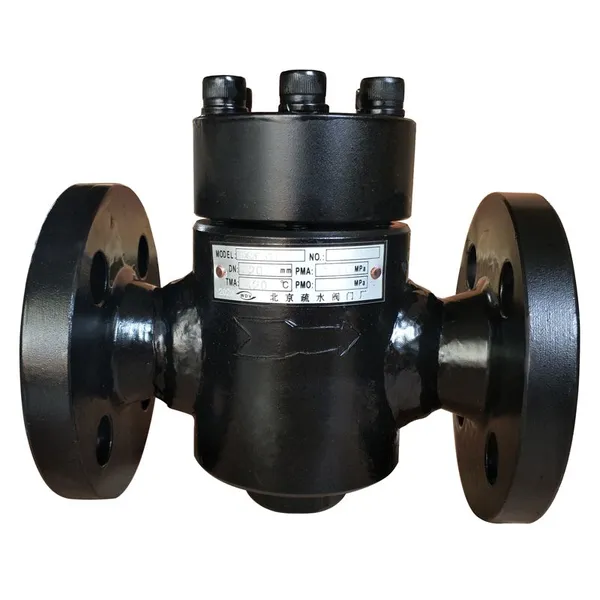 Read More
 -
Why Do Customers Still Buy Chinese Steam Traps?
July 31, 2026In today's global industrial market, buyers have access to some of the world's most recognized steam trap brands, includin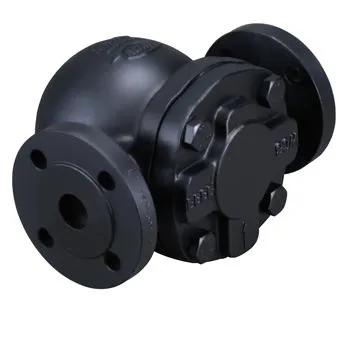 Read More
 -
High-Quality Steam Traps from Qiaofa Machinery – Efficient and Durable Solutions
July 31, 2026Introduction to Steam Traps and Their ImportanceSteam traps are essential components in any steam system, serving the critical fun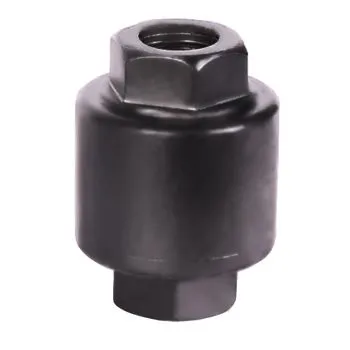 Read More
 -
Steam Trap Material Selection Guide: How to Choose the Right Material for Your Steam System
July 29, 2026IntroductionChoosing the correct steam trap material is just as important as selecting the right steam trap type. A steam trap ins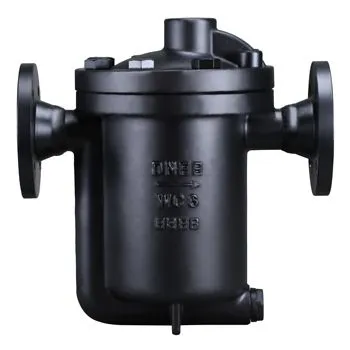 Read More

Contact Us
Recommended Products
-
 Capsule-Type Steam Trap Forged SteelNegotiableMOQ: 1 Piece
 -
OEM Thermostatic Bellows Steam TrapNegotiableMOQ: 1 Piece
-
Bellows Steam Trap Manufacturer | Industrial Thermostatic Steam Traps SupplierNegotiableMOQ: 1 Piece
-
Industrial Thermostatic Steam Trap With Stainless Steel Bellows – ManufacturerNegotiableMOQ: 1 Piece
-
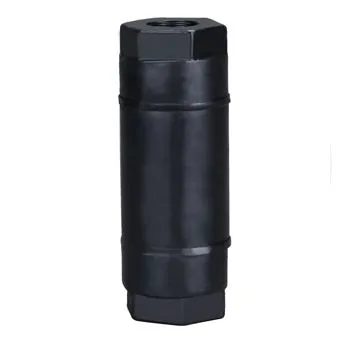
Thermostatic Bellows Steam Trap | Stainless Steel for Steam Tracing SystemsNegotiableMOQ: 1 Piece
-
TD42 Thermodynamic Disc Steam Trap for RefineryNegotiableMOQ: 1 Piece
-
PN16–PN63 Disc Type Steam Trap | Threaded, Flanged & Socket Weld ConnectionsNegotiableMOQ: 1 Piece
-
TD42 Disc Type Steam Trap – Thermodynamic Steam Trap Manufacturer & Supplier in ChinaNegotiableMOQ: 1 Piece
-
TD42 Thermodynamic Disc Steam Trap for RefineryNegotiableMOQ: 1 Piece
-
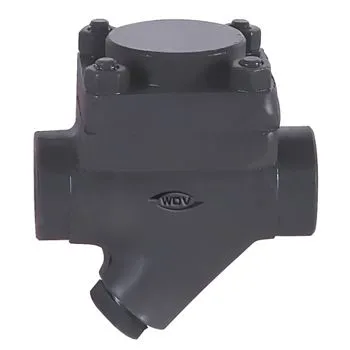
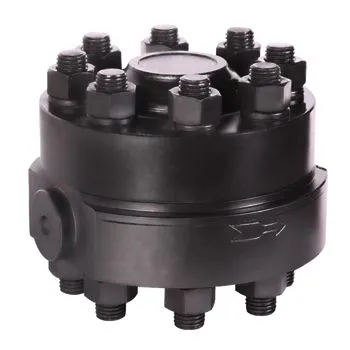
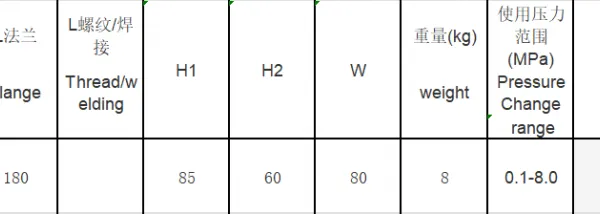
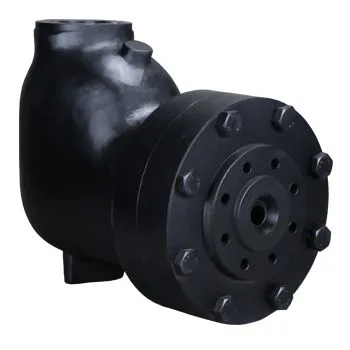
Lever Float Steam Trap Manufacturer in China | High Efficiency Steam TrapNegotiableMOQ: 1 Piece
-
Lever Float Steam Trap for Steam Heating SystemsNegotiableMOQ: 1 Piece
-
Stainless Steel Lever Float Steam Trap With Thermostatic Air VentNegotiableMOQ: 1 Piece
-
Industrial Lever Float Steam Trap for Heat ExchangersNegotiableMOQ: 1 Piece
-
PN16 PN25 PN40 Lever Float Steam Trap SupplierNegotiableMOQ: 1 Piece
-
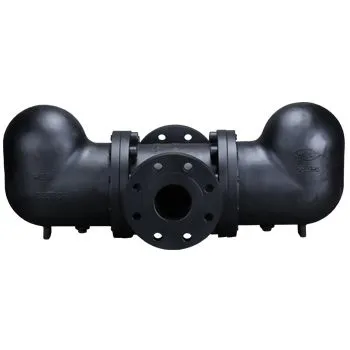
Heavy Duty Lever Float Steam Trap for Process Steam ApplicationsNegotiableMOQ: 1 Piece
-
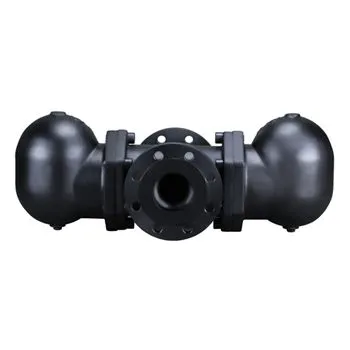
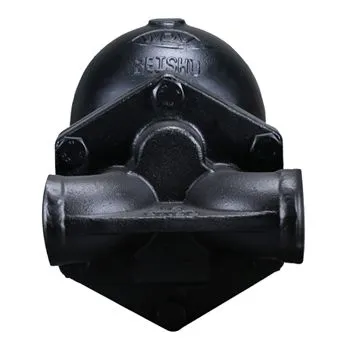
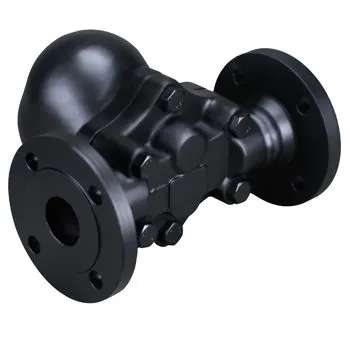
Lever Float Steam Trap With Continuous Condensate DischargeNegotiableMOQ: 1 Piece
-
OEM Lever Float Steam Trap Factory With 45+ Years ExperienceNegotiableMOQ: 1 Piece
-
OEM Lever Float Steam Trap Factory With 45+ Years ExperienceNegotiableMOQ: 1 Piece
-
Flanged and Threaded Lever Float Steam Trap for Industrial BoilersNegotiableMOQ: 1 Piece
-
High Capacity Lever Float Steam Trap for Marine and Industrial ApplicationsNegotiableMOQ: 1 Piece