Business License

Steam Traps: The Complete Guide to Efficient Steam System Performance
Steam is one of the most efficient and widely used energy sources in industrial processes. From food processing and pharmaceutical manufacturing to chemical plants, textile mills, paper production, and power generation, steam plays a critical role in heat transfer. However, every steam system produces condensate, and removing this condensate efficiently is essential for maintaining system performance. This is where steam traps become indispensable.
In this article, we will explain what a steam trap is, how it works, the different types available, and how to select the right steam trap for your application.
What Is a Steam Trap?
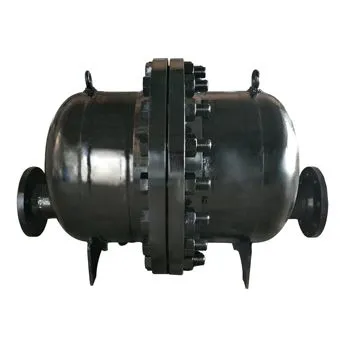
A steam trap is an automatic valve designed to discharge condensate, air, and other non-condensable gases from a steam system while preventing the loss of live steam. It operates without manual intervention and continuously adjusts to changing operating conditions.
Without properly functioning steam traps, condensate accumulates in steam lines and equipment, reducing heat transfer efficiency, increasing energy consumption, and potentially causing serious equipment damage.
Why Are Steam Traps Important?
A properly selected and maintained steam trap offers several important benefits:
Maximizes heat transfer efficiency
Prevents water hammer and pipeline damage
Reduces steam energy loss
Protects heat exchangers, boilers, and process equipment
Improves product quality and production consistency
Extends equipment service life
Reduces maintenance costs and downtime
For many industrial facilities, steam traps are among the most cost-effective energy-saving components in the entire steam system.
How Does a Steam Trap Work?
As steam transfers its heat to the process, it condenses into water known as condensate. The steam trap automatically senses the difference between steam and condensate and opens to discharge condensate while remaining closed when live steam reaches the valve.
Depending on the operating principle, steam traps detect changes in:
Density
Temperature
Velocity
Pressure
This allows the trap to remove unwanted condensate while retaining valuable steam within the system.
Main Types of Steam Traps
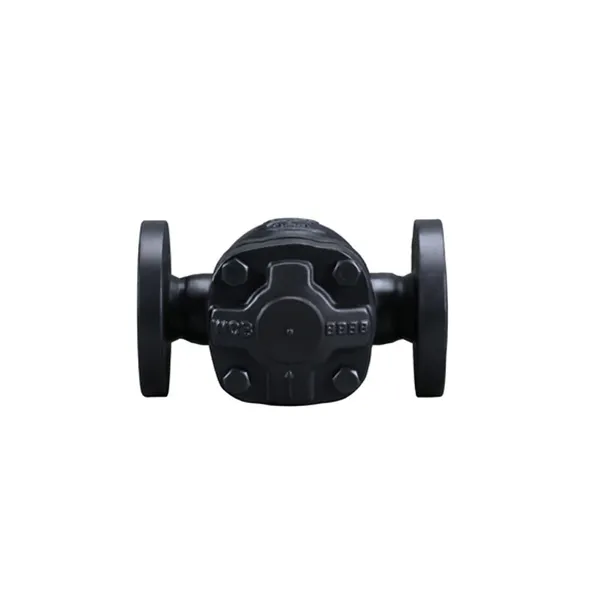
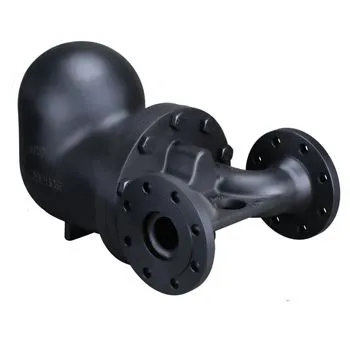
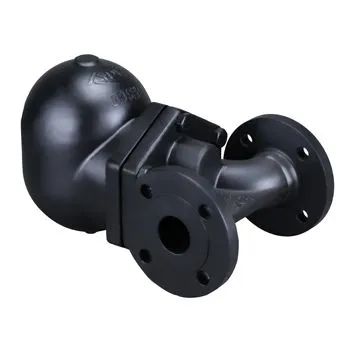
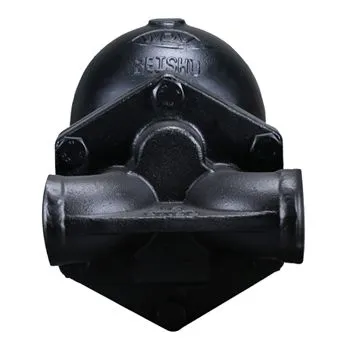
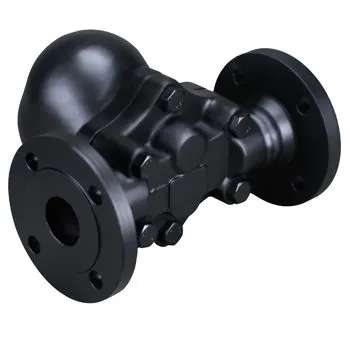
1. Float & Thermostatic (F&T) Steam Trap
Float steam traps use a stainless steel float to continuously discharge condensate while incorporating a thermostatic air vent for efficient removal of air during startup.
Advantages:
Continuous condensate discharge
Excellent heat transfer performance
Ideal for modulating loads
Outstanding air venting capability
Typical Applications:
Heat exchangers
Process equipment
Steam jackets
Food processing
Pharmaceutical production
2. Thermodynamic Disc Steam Trap
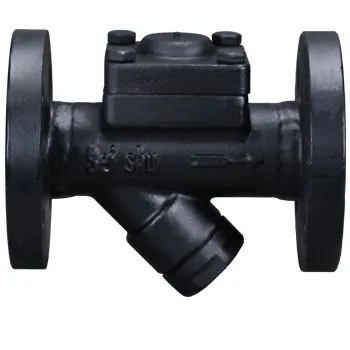
Thermodynamic steam traps use the dynamic effect of flash steam acting on a disc to control opening and closing.
Advantages:
Compact and lightweight
Excellent resistance to water hammer
Suitable for high pressure
Easy maintenance
Typical Applications:
Steam mains
Outdoor pipelines
Tracing systems
High-pressure steam distribution
3. Thermostatic Steam Trap
Thermostatic steam traps operate according to temperature differences between steam and condensate.
Advantages:
Excellent air removal
Suitable for startup conditions
Good energy-saving performance
Typical Applications:
Sterilizers
HVAC systems
Instrument tracing
Small process equipment
4. Inverted Bucket Steam Trap
Inverted bucket steam traps utilize buoyancy changes of an inverted bucket to discharge condensate.
Advantages:
Extremely durable
Long service life
Suitable for high-pressure applications
Typical Applications:
Steam mains
Boiler plants
Refineries
Petrochemical facilities
How to Select the Right Steam Trap
Selecting the correct steam trap requires evaluating several operating parameters.
1. Steam Pressure
Determine both operating pressure and differential pressure across the trap.
2. Condensate Load
Estimate both normal and maximum condensate flow to ensure sufficient discharge capacity.
3. Equipment Type
Different equipment requires different trap characteristics:
Heat exchangers – Float steam traps
Steam mains – Thermodynamic traps
Process equipment – Float or thermostatic traps
High-pressure systems – Disc or inverted bucket traps
4. Startup Conditions
Applications with heavy startup condensate loads require steam traps capable of handling high initial discharge rates.
5. Installation Environment
Outdoor installations, freezing conditions, and high-vibration environments may influence trap selection and material choice.
Common Steam Trap Problems
Even high-quality steam traps require periodic inspection. Common issues include:
Steam leakage
Blockage caused by debris
Worn valve seats
Failed thermostatic elements
Corrosion
Water hammer damage
Routine testing using ultrasonic or temperature-based inspection methods can significantly improve steam system reliability.
Industries That Depend on Steam Traps
Steam traps are widely used across many industries, including:
Food & Beverage
Pharmaceutical
Chemical Processing
Textile Manufacturing
Paper & Pulp
Power Generation
Oil & Gas
Sugar Mills
Marine Engineering
HVAC Systems
Wherever steam is used for heating or process applications, reliable condensate removal is essential.
Choosing a Reliable Steam Trap Manufacturer
When selecting a steam trap supplier, consider the following factors:
Manufacturing experience
Product quality and certifications
Material traceability
Pressure and temperature ratings
International standards compliance
Technical support
Spare parts availability
OEM and customized solutions
Working with an experienced manufacturer helps ensure reliable performance, lower maintenance costs, and long-term energy savings.
Conclusion
Steam traps are essential components in every steam system. Although relatively small, they have a significant impact on energy efficiency, equipment protection, and production reliability. Selecting the correct type of steam trap and maintaining it properly can reduce steam losses, improve process performance, and lower operating costs.
Whether your application involves a heat exchanger, steam main, sterilizer, or industrial process line, investing in the right steam trap is an investment in the overall efficiency and reliability of your steam system.
Recently Posted
-
How to Choose the Right Steam Trap for Your Application
July 31, 2026IntroductionChoosing the correct steam trap is one of the most important decisions in designing or maintaining an efficient steam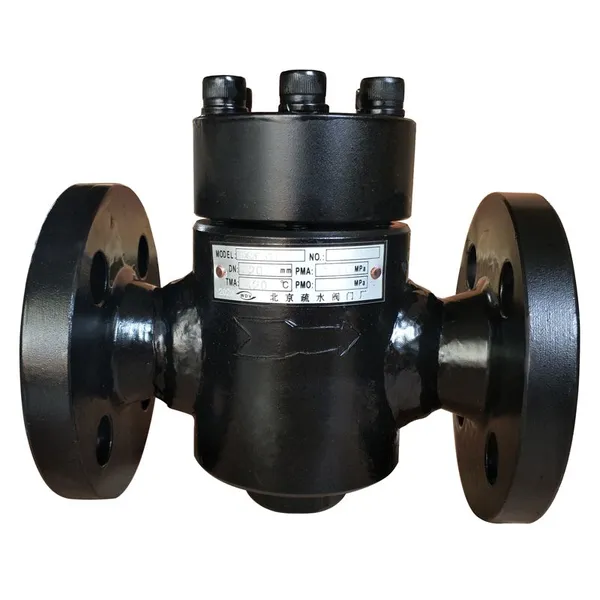 Read More
 -
Why Do Customers Still Buy Chinese Steam Traps?
July 31, 2026In today's global industrial market, buyers have access to some of the world's most recognized steam trap brands, includin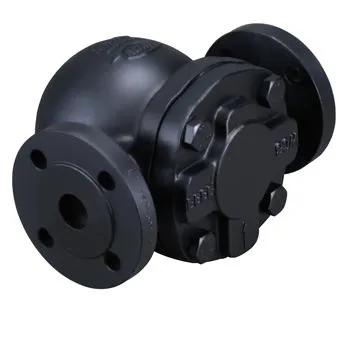 Read More
 -
High-Quality Steam Traps from Qiaofa Machinery – Efficient and Durable Solutions
July 31, 2026Introduction to Steam Traps and Their ImportanceSteam traps are essential components in any steam system, serving the critical fun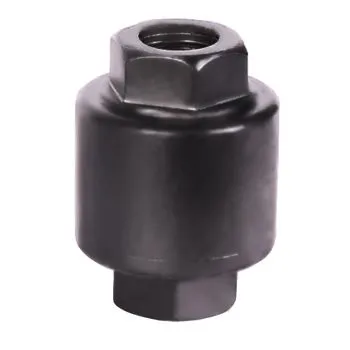 Read More
 -
Steam Trap Material Selection Guide: How to Choose the Right Material for Your Steam System
July 29, 2026IntroductionChoosing the correct steam trap material is just as important as selecting the right steam trap type. A steam trap ins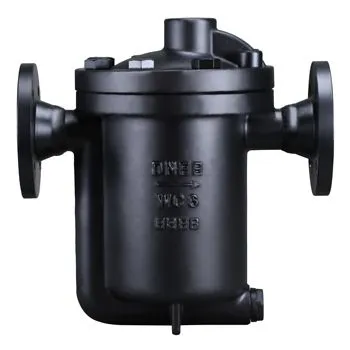 Read More

Contact Us
Recommended Products
-
 Capsule-Type Steam Trap Forged SteelNegotiableMOQ: 1 Piece
 -
OEM Thermostatic Bellows Steam TrapNegotiableMOQ: 1 Piece
-
Bellows Steam Trap Manufacturer | Industrial Thermostatic Steam Traps SupplierNegotiableMOQ: 1 Piece
-
Industrial Thermostatic Steam Trap With Stainless Steel Bellows – ManufacturerNegotiableMOQ: 1 Piece
-
Thermostatic Bellows Steam Trap | Stainless Steel for Steam Tracing SystemsNegotiableMOQ: 1 Piece
-
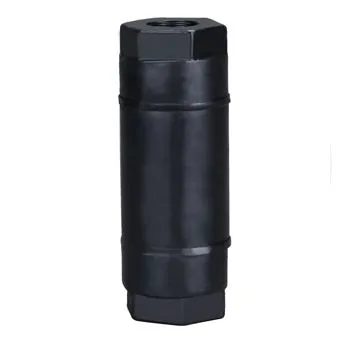
TD42 Thermodynamic Disc Steam Trap for RefineryNegotiableMOQ: 1 Piece
-
PN16–PN63 Disc Type Steam Trap | Threaded, Flanged & Socket Weld ConnectionsNegotiableMOQ: 1 Piece
-
TD42 Disc Type Steam Trap – Thermodynamic Steam Trap Manufacturer & Supplier in ChinaNegotiableMOQ: 1 Piece
-
TD42 Thermodynamic Disc Steam Trap for RefineryNegotiableMOQ: 1 Piece
-
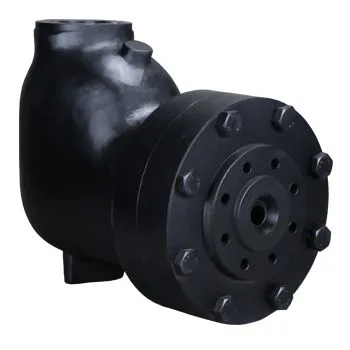
Lever Float Steam Trap Manufacturer in China | High Efficiency Steam TrapNegotiableMOQ: 1 Piece
-
Lever Float Steam Trap for Steam Heating SystemsNegotiableMOQ: 1 Piece
-
Stainless Steel Lever Float Steam Trap With Thermostatic Air VentNegotiableMOQ: 1 Piece
-
Industrial Lever Float Steam Trap for Heat ExchangersNegotiableMOQ: 1 Piece
-
PN16 PN25 PN40 Lever Float Steam Trap SupplierNegotiableMOQ: 1 Piece
-
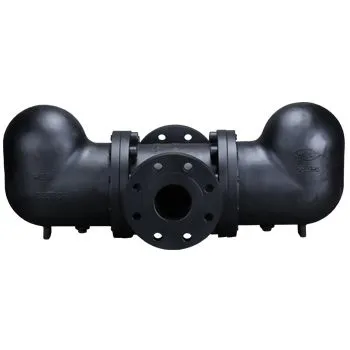
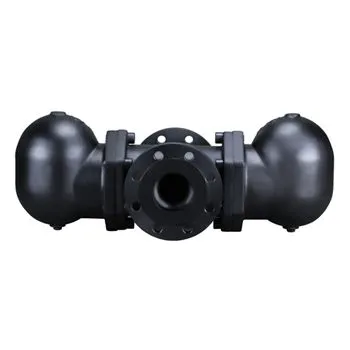
Heavy Duty Lever Float Steam Trap for Process Steam ApplicationsNegotiableMOQ: 1 Piece
-
Lever Float Steam Trap With Continuous Condensate DischargeNegotiableMOQ: 1 Piece
-
OEM Lever Float Steam Trap Factory With 45+ Years ExperienceNegotiableMOQ: 1 Piece
-
OEM Lever Float Steam Trap Factory With 45+ Years ExperienceNegotiableMOQ: 1 Piece
-
Flanged and Threaded Lever Float Steam Trap for Industrial BoilersNegotiableMOQ: 1 Piece
-
High Capacity Lever Float Steam Trap for Marine and Industrial ApplicationsNegotiableMOQ: 1 Piece