Business License

What Is a Steam Trap? A Complete Guide to How Steam Traps Work and Why They Matter
Steam is one of the most efficient and reliable energy sources used in industries such as food processing, pharmaceuticals, chemicals, textiles, power generation, and oil & gas. However, every steam system produces condensate as steam transfers its heat. If this condensate is not removed efficiently, it can reduce production efficiency, increase energy consumption, and even damage equipment.
This is where a steam trap plays a critical role.
In this guide, we'll explain what a steam trap is, how it works, the different types available, and how to choose the right one for your application.
What Is a Steam Trap?
A steam trap is an automatic valve designed to discharge condensate, air, and other non-condensable gases from a steam system while preventing the loss of live steam.
Unlike ordinary valves, a steam trap operates automatically without manual intervention. It continuously monitors the condition of steam and condensate, opening when condensate needs to be removed and closing when live steam reaches the trap.
In simple terms:
A steam trap removes condensate but keeps valuable steam inside the system.
Why Is a Steam Trap Important?
During heat transfer, steam condenses into water (condensate). If condensate remains in the pipeline or equipment, it can cause several problems:
Reduced heating efficiency
Water hammer
Corrosion
Equipment damage
Poor product quality
Increased fuel consumption
Installing the correct steam trap ensures that condensate is removed immediately while maximizing energy efficiency.
How Does a Steam Trap Work?
Although different steam trap designs operate differently, the basic principle is the same:
Steam enters the equipment.
Steam transfers heat to the process.
Steam condenses into hot condensate.
The steam trap detects the condensate.
The trap opens automatically to discharge condensate.
When live steam reaches the trap, it closes to prevent steam loss.
This automatic cycle repeats continuously without external power.
Main Functions of a Steam Trap
A properly selected steam trap performs three essential functions:
1. Remove Condensate
The primary purpose is to discharge condensate as soon as it forms, maintaining maximum heat transfer efficiency.
2. Remove Air and Non-Condensable Gases
Air trapped in the system reduces heat transfer and slows equipment startup. Many steam traps automatically vent air during startup.
3. Prevent Live Steam Loss
Steam is expensive to generate. A quality steam trap minimizes energy loss by closing tightly whenever live steam reaches the valve.
Types of Steam Traps
There are three major categories of steam traps.
1. Mechanical Steam Traps
Mechanical steam traps operate based on the difference in density between steam and condensate.
Examples include:
Float & Thermostatic (F&T) Steam Trap
Inverted Bucket Steam Trap
Advantages
Continuous condensate discharge
Excellent heat transfer
Suitable for process equipment
High condensate handling capacity
Typical applications:
Heat exchangers
Jacketed vessels
Steam coils
Food processing equipment
2. Thermodynamic Steam Traps
Thermodynamic steam traps use the difference in velocity between steam and condensate.
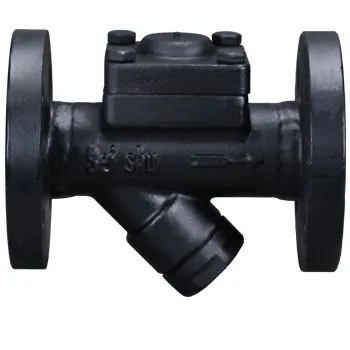
The most common design is the disc steam trap.
Advantages
Compact size
Rugged construction
Excellent resistance to water hammer
Suitable for high-pressure systems
Typical applications:
Steam mains
Steam tracing
Outdoor installations
High-pressure pipelines
3. Thermostatic Steam Traps
Thermostatic steam traps respond to temperature differences between steam and condensate.
Common designs include:
Balanced Pressure Steam Trap
Bellows Steam Trap
Bimetallic Steam Trap
Advantages
Excellent air venting
Ideal for startup conditions
Energy efficient
Suitable for clean steam applications
Typical applications:
Sterilizers
Pharmaceutical equipment
Instrument tracing
HVAC systems
Common Applications of Steam Traps
Steam traps are widely used in many industries.
Typical applications include:
Steam boilers
Steam distribution pipelines
Heat exchangers
Dryers
Steam tracing systems
Pharmaceutical production
Food processing plants
Textile factories
Chemical processing
Oil refineries
Power plants
Paper mills
Wherever steam is used for heating or process applications, steam traps are essential.
How to Choose the Right Steam Trap
Selecting the correct steam trap depends on several factors:
Operating Pressure
Choose a trap designed for the system's pressure range.
Condensate Load
Calculate the maximum condensate flow rate and apply an appropriate safety factor.
Application
Different equipment requires different trap types.
For example:
Heat exchanger → Float Steam Trap
Steam main → Thermodynamic Steam Trap
Steam tracing → Disc or Bimetallic Steam Trap
Sterilizer → Thermostatic Steam Trap
Connection Type
Available connections include:
Threaded
Flanged
Socket Weld
Butt Weld
Material
Common materials include:
Cast Iron
Carbon Steel
Stainless Steel
Forged Steel
Choose materials based on operating conditions and corrosion requirements.
Signs of a Failed Steam Trap
A malfunctioning steam trap can significantly increase operating costs.
Common warning signs include:
Water hammer
Steam leakage
Equipment heating slowly
Excessive condensate accumulation
High energy consumption
Unusual noise
Corrosion around the trap
Routine inspection and maintenance help prevent costly failures.
Benefits of Using High-Quality Steam Traps
Investing in reliable steam traps offers many advantages:
Reduced energy costs
Improved heat transfer efficiency
Longer equipment life
Lower maintenance expenses
Reduced steam loss
Improved process stability
Increased production efficiency
Lower carbon emissions
Why Choose QIAOFA Steam Traps?
With more than 45 years of manufacturing experience, QIAOFA specializes in high-performance steam traps for industrial steam systems.
Our product range includes:
Thermodynamic Steam Traps
Float & Thermostatic Steam Traps
Inverted Bucket Steam Traps
Thermostatic Steam Traps
Bimetallic Steam Traps
We provide:
OEM & ODM manufacturing
ISO-certified production
Strict quality inspection
Competitive factory pricing
Fast global delivery
Professional technical support
Whether you are a distributor, EPC contractor, equipment manufacturer, or end user, we can help you select the most suitable steam trap for your application.
Conclusion
A steam trap may be a small component, but it plays a vital role in every steam system. By automatically removing condensate while preventing steam loss, steam traps improve energy efficiency, protect equipment, and ensure reliable operation.
Choosing the right steam trap for your application can significantly reduce operating costs and extend the life of your steam system. If you're planning a new installation or replacing existing steam traps, understanding how they work is the first step toward building a more efficient and reliable steam system.
Recently Posted
-
How to Choose the Right Steam Trap for Your Application
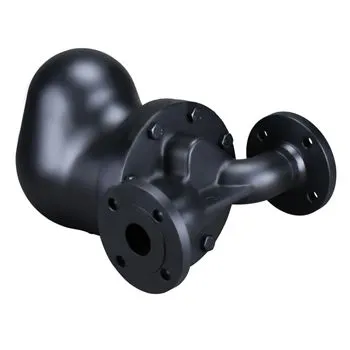
July 31, 2026IntroductionChoosing the correct steam trap is one of the most important decisions in designing or maintaining an efficient steam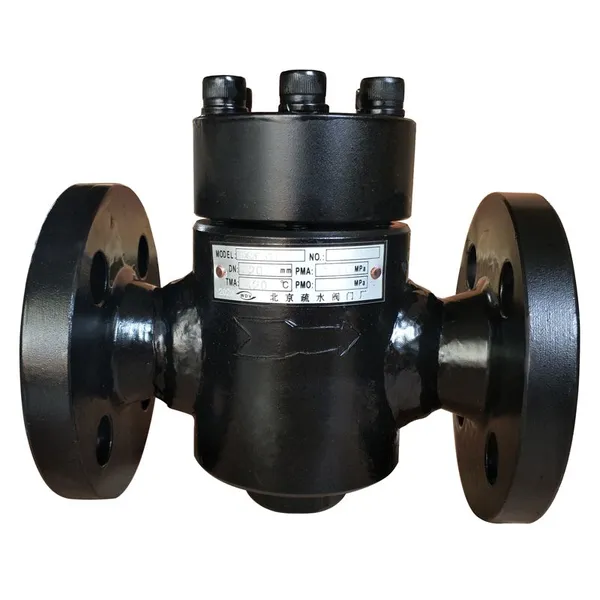 Read More
 -
Why Do Customers Still Buy Chinese Steam Traps?
July 31, 2026In today's global industrial market, buyers have access to some of the world's most recognized steam trap brands, includin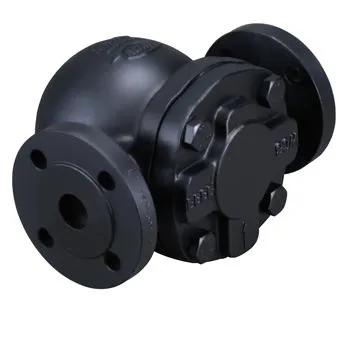 Read More
 -
High-Quality Steam Traps from Qiaofa Machinery – Efficient and Durable Solutions
July 31, 2026Introduction to Steam Traps and Their ImportanceSteam traps are essential components in any steam system, serving the critical fun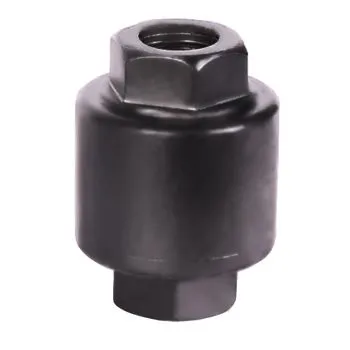 Read More
 -
Steam Trap Material Selection Guide: How to Choose the Right Material for Your Steam System
July 29, 2026IntroductionChoosing the correct steam trap material is just as important as selecting the right steam trap type. A steam trap ins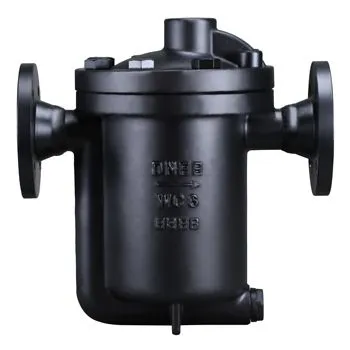 Read More

Contact Us
Recommended Products
-
 Capsule-Type Steam Trap Forged SteelNegotiableMOQ: 1 Piece
 -
OEM Thermostatic Bellows Steam TrapNegotiableMOQ: 1 Piece
-
Bellows Steam Trap Manufacturer | Industrial Thermostatic Steam Traps SupplierNegotiableMOQ: 1 Piece
-
Industrial Thermostatic Steam Trap With Stainless Steel Bellows – ManufacturerNegotiableMOQ: 1 Piece
-
Thermostatic Bellows Steam Trap | Stainless Steel for Steam Tracing SystemsNegotiableMOQ: 1 Piece
-
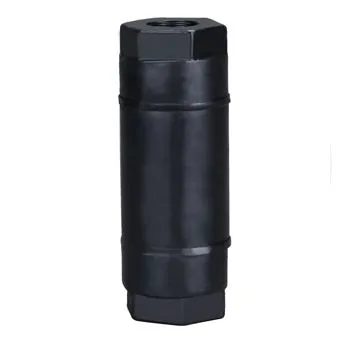
TD42 Thermodynamic Disc Steam Trap for RefineryNegotiableMOQ: 1 Piece
-
PN16–PN63 Disc Type Steam Trap | Threaded, Flanged & Socket Weld ConnectionsNegotiableMOQ: 1 Piece
-
TD42 Disc Type Steam Trap – Thermodynamic Steam Trap Manufacturer & Supplier in ChinaNegotiableMOQ: 1 Piece
-
TD42 Thermodynamic Disc Steam Trap for RefineryNegotiableMOQ: 1 Piece
-
Lever Float Steam Trap Manufacturer in China | High Efficiency Steam TrapNegotiableMOQ: 1 Piece
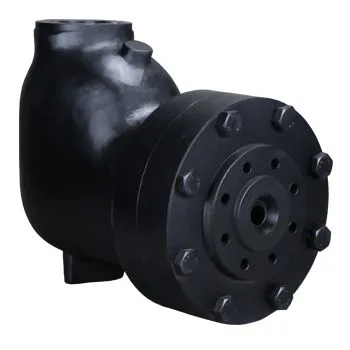
-
Lever Float Steam Trap for Steam Heating SystemsNegotiableMOQ: 1 Piece
-
Stainless Steel Lever Float Steam Trap With Thermostatic Air VentNegotiableMOQ: 1 Piece
-
Industrial Lever Float Steam Trap for Heat ExchangersNegotiableMOQ: 1 Piece
-
PN16 PN25 PN40 Lever Float Steam Trap SupplierNegotiableMOQ: 1 Piece
-
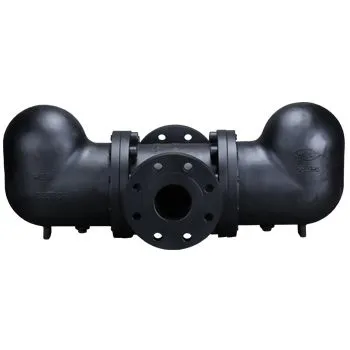
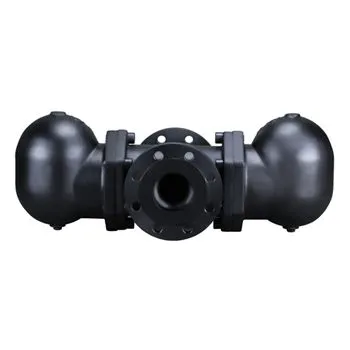
Heavy Duty Lever Float Steam Trap for Process Steam ApplicationsNegotiableMOQ: 1 Piece
-
Lever Float Steam Trap With Continuous Condensate DischargeNegotiableMOQ: 1 Piece
-
OEM Lever Float Steam Trap Factory With 45+ Years ExperienceNegotiableMOQ: 1 Piece
-
OEM Lever Float Steam Trap Factory With 45+ Years ExperienceNegotiableMOQ: 1 Piece
-
Flanged and Threaded Lever Float Steam Trap for Industrial BoilersNegotiableMOQ: 1 Piece
-
High Capacity Lever Float Steam Trap for Marine and Industrial ApplicationsNegotiableMOQ: 1 Piece