Business License

Common Steam Trap Problems and Solutions: A Complete Troubleshooting Guide
Steam traps play a vital role in every industrial steam system. Their primary function is to automatically discharge condensate, air, and non-condensable gases while preventing valuable live steam from escaping. Although steam traps are relatively small components, their performance has a significant impact on energy efficiency, production reliability, and maintenance costs.
When a steam trap fails, it can lead to steam loss, water hammer, poor heat transfer, increased fuel consumption, and unexpected equipment downtime.
In this guide, we'll discuss the most common steam trap problems, their causes, and the best solutions to keep your steam system operating efficiently.
Why Do Steam Traps Fail?
Steam traps operate under high temperatures, high pressures, and continuous thermal cycling. Over time, these harsh operating conditions can cause wear and reduce performance.
Common causes of steam trap failure include:
Dirt and debris entering the trap
Scale buildup
Corrosion
Water hammer
Incorrect installation
Improper steam trap selection
Excessive operating pressure
Normal wear after years of service
Routine inspection and preventive maintenance can greatly reduce these failures.
1. Steam Leakage
Symptoms
Continuous steam discharge
Higher steam consumption
Increased energy costs
Visible steam at the outlet
Possible Causes
Worn valve seat
Damaged valve disc
Internal corrosion
Dirt preventing proper sealing
Solutions
Inspect internal sealing surfaces.
Clean the trap and remove debris.
Replace worn internal components.
Replace the steam trap if excessive wear is found.
Continuous steam leakage wastes energy and should be addressed immediately.
2. Steam Trap Not Draining Condensate
Symptoms
Condensate accumulates in equipment
Reduced heating efficiency
Slow production processes
Equipment flooding
Possible Causes
Blocked strainer
Dirt inside the steam trap
Incorrect installation direction
Internal mechanism failure
Solutions
Clean the strainer regularly.
Remove internal debris.
Verify installation follows the flow direction arrow.
Replace damaged internal parts if necessary.
A blocked steam trap can significantly reduce equipment performance.
3. Intermittent or Unstable Drainage
Symptoms
Irregular condensate discharge
Fluctuating equipment temperature
Inconsistent process performance
Possible Causes
Incorrect steam trap sizing
Pressure fluctuations
Steam trap capacity too small
Changing operating conditions
Solutions
Review operating pressure.
Calculate condensate load accurately.
Select a steam trap with sufficient discharge capacity.
Correct sizing is essential for stable operation.
4. Water Hammer
Symptoms
Loud banging noises
Pipe vibration
Damaged valves or pipelines
Reduced equipment life
Possible Causes
Condensate not removed quickly enough
Poor pipeline design
Incorrect steam trap location
Drainage restrictions
Solutions
Ensure proper condensate removal.
Improve pipeline drainage.
Install steam traps in the correct location.
Verify pipe slope and condensate flow.
Water hammer not only damages steam traps but also shortens the life of the entire steam system.
5. Poor Air Venting
Symptoms
Slow equipment warm-up
Uneven heating
Cold spots in heat exchangers
Possible Causes
Air vent malfunction
Damaged thermostatic element
Internal blockage
Solutions
Inspect the air vent mechanism.
Replace damaged thermostatic or bimetallic elements.
Perform regular maintenance.
Proper air removal improves startup efficiency and heat transfer.
6. Short Steam Trap Service Life
Possible Causes
Operating above design pressure
Frequent thermal shock
Corrosive condensate
Poor water quality
Low-quality materials
Solutions
Select the correct pressure rating.
Install a strainer upstream.
Improve boiler water treatment.
Choose steam traps made from high-quality stainless steel or forged steel.
A high-quality steam trap often provides a much longer service life.
How to Prevent Steam Trap Failures
Preventive maintenance is the most effective way to improve steam system reliability.
Regular Inspection
Inspect steam traps every 3–6 months, depending on operating conditions.
Clean Strainers
Remove dirt and debris before they enter the steam trap.
Proper Installation
Always:
Follow the flow direction arrow.
Leave enough maintenance space.
Avoid pipe stress.
Install according to the manufacturer's recommendations.
Choose the Right Steam Trap
Steam trap selection should consider:
Operating pressure
Condensate load
Steam temperature
Application type
Pipe size
Choosing the wrong steam trap often leads to repeated failures.
When Should a Steam Trap Be Replaced?
Replace the steam trap if you observe:
Continuous steam leakage
No condensate discharge
Severe corrosion
Internal wear
Frequent maintenance issues
Failure during routine inspection
Replacing a faulty steam trap at the right time can significantly reduce energy loss and maintenance costs.
Why Steam Trap Quality Matters
Many steam system problems are caused not by poor installation, but by low-quality steam traps.
A reliable steam trap offers:
Better energy efficiency
Longer service life
Reduced steam loss
Lower maintenance costs
Improved system reliability
Investing in quality steam traps helps reduce the total cost of ownership over the life of your steam system.
Final Thoughts
Steam traps may be small components, but they have a major impact on the performance of industrial steam systems. By understanding common steam trap problems, performing regular inspections, and choosing the correct steam trap for each application, companies can improve efficiency, reduce operating costs, and extend equipment life.
If your steam system is experiencing steam leakage, condensate backup, water hammer, or poor heating performance, it may be time to inspect or replace your steam traps.
At Qiaofa Machinery Manufacturing Co., Ltd., we have specialized in manufacturing high-quality steam traps for over 45 years. We provide reliable steam trap solutions for industries worldwide, helping customers improve steam efficiency, reduce energy consumption, and maintain safe, stable operations.
Whether you need Free Float Steam Traps, Thermodynamic Steam Traps, Inverted Bucket Steam Traps, Thermostatic Steam Traps, or Bimetallic Steam Traps, our experienced team is ready to help you select the right solution for your application.
Contact us today to learn how the right steam trap can improve your steam system performance and reduce operating costs.
Recently Posted
-
How to Choose the Right Steam Trap for Your Application
July 31, 2026IntroductionChoosing the correct steam trap is one of the most important decisions in designing or maintaining an efficient steam Read More
 -
Why Do Customers Still Buy Chinese Steam Traps?
July 31, 2026In today's global industrial market, buyers have access to some of the world's most recognized steam trap brands, includin Read More
 -
High-Quality Steam Traps from Qiaofa Machinery – Efficient and Durable Solutions
July 31, 2026Introduction to Steam Traps and Their ImportanceSteam traps are essential components in any steam system, serving the critical fun Read More
 -
Steam Trap Material Selection Guide: How to Choose the Right Material for Your Steam System
July 29, 2026IntroductionChoosing the correct steam trap material is just as important as selecting the right steam trap type. A steam trap ins Read More

Contact Us
Recommended Products
-
 Capsule-Type Steam Trap Forged SteelNegotiableMOQ: 1 Piece
 -
OEM Thermostatic Bellows Steam TrapNegotiableMOQ: 1 Piece
-
Bellows Steam Trap Manufacturer | Industrial Thermostatic Steam Traps SupplierNegotiableMOQ: 1 Piece
-
Industrial Thermostatic Steam Trap With Stainless Steel Bellows – ManufacturerNegotiableMOQ: 1 Piece
-
Thermostatic Bellows Steam Trap | Stainless Steel for Steam Tracing SystemsNegotiableMOQ: 1 Piece
-
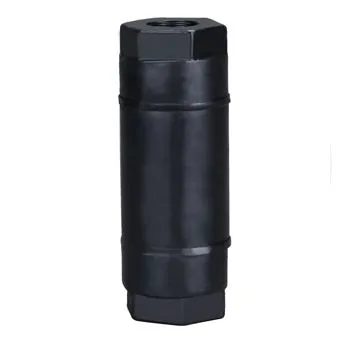
TD42 Thermodynamic Disc Steam Trap for RefineryNegotiableMOQ: 1 Piece
-
PN16–PN63 Disc Type Steam Trap | Threaded, Flanged & Socket Weld ConnectionsNegotiableMOQ: 1 Piece
-
TD42 Disc Type Steam Trap – Thermodynamic Steam Trap Manufacturer & Supplier in ChinaNegotiableMOQ: 1 Piece
-
TD42 Thermodynamic Disc Steam Trap for RefineryNegotiableMOQ: 1 Piece
-
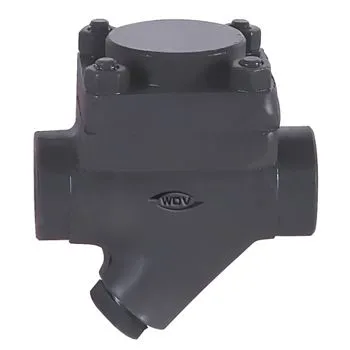
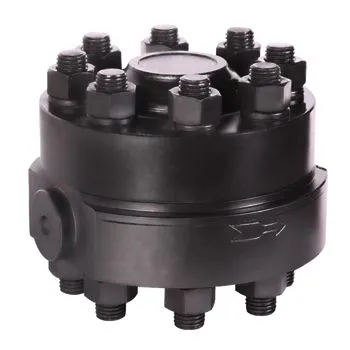
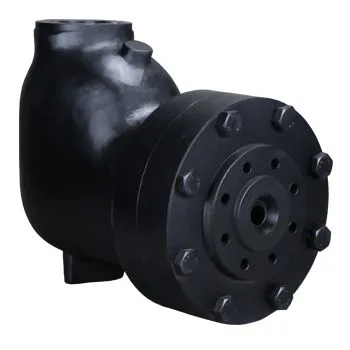
Lever Float Steam Trap Manufacturer in China | High Efficiency Steam TrapNegotiableMOQ: 1 Piece
-
Lever Float Steam Trap for Steam Heating SystemsNegotiableMOQ: 1 Piece
-
Stainless Steel Lever Float Steam Trap With Thermostatic Air VentNegotiableMOQ: 1 Piece
-
Industrial Lever Float Steam Trap for Heat ExchangersNegotiableMOQ: 1 Piece
-
PN16 PN25 PN40 Lever Float Steam Trap SupplierNegotiableMOQ: 1 Piece
-
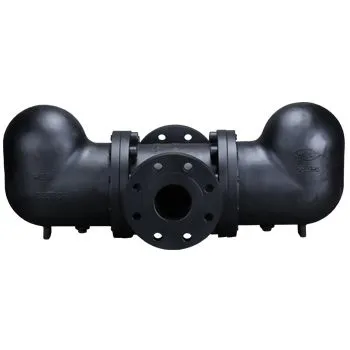
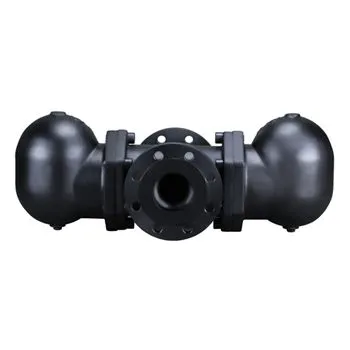
Heavy Duty Lever Float Steam Trap for Process Steam ApplicationsNegotiableMOQ: 1 Piece
-
Lever Float Steam Trap With Continuous Condensate DischargeNegotiableMOQ: 1 Piece
-
OEM Lever Float Steam Trap Factory With 45+ Years ExperienceNegotiableMOQ: 1 Piece
-
OEM Lever Float Steam Trap Factory With 45+ Years ExperienceNegotiableMOQ: 1 Piece
-
Flanged and Threaded Lever Float Steam Trap for Industrial BoilersNegotiableMOQ: 1 Piece
-
High Capacity Lever Float Steam Trap for Marine and Industrial ApplicationsNegotiableMOQ: 1 Piece